|
First of Many by Robert Taylor.
Each print in this special Tribute Edition is signed by four famous RAF Fighter Aces that flew Hurricanes and Spitfires with Douglas Bader in the Battle of Britain in 1940. Sadly, none of these renowned pilots are still with us today. The signatures on this significant print are among the most sought-after by knowledgeable collectors. Few such unique and valuable collector prints are ever offered on the primary market these days, especially when signed by such prominent fighter Aces who excelled in combat in that momentous and decisive period in aviation history. |
| | Item Code : DHM2227 | First of Many by Robert Taylor. - Editions Available | |
| | DESCRIPTION | SIZE | SIGNATURES | OFFERS | PRICE | PURCHASING | PACKS | Signed limited edition of 600 prints.
Great value : Value of signatures exceeds price of item! | Paper size 24 inches x 20 inches (61cm x 51cm) |
Jameson, Pat | | Air Commodore Pat Jamie Jameson CB, DSO, DFC (deceased) |
| Pat Jameson, a New Zealander born in 1912, joined the RAF in 1937 after flight training, being posted to No.46 Sqn. Flying Hurricanes with the squadron, he was involved in the campaign in Norway, and was notably the last man to leave the carrier HMS Glorious, sunk on 8th June 1940. He subsequently commanded several Wings and Squadrons, including No.266 Sqn. He was awarded the DFC and Bar, and DSO during the war, being awarded the CB later. He died in September 1996. |
|

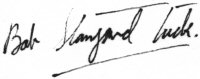
Stanford-Tuck, Bob | | Wing Commander Bob Stanford Tuck DSO DFC** (deceased) |
| Bob Stanford Tuck was a flamboyant fighter pilot, his dashing good looks, courage, and success in the air coming to epitomise the young flyers who fought and won the Battle of Britain. To the British public he was a hero in the mould of the knights of old, and today his name is legend. In the early stages of the Battle of Britain Bob fought with 92 Squadron flying Spitfires, quickly becoming one of the leading aces. Promoted to command 257 Squadron, now flying Hurricanes, Bobs dashing style o |
|
Smith, Duncan | | Group Captain W G G Duncan-Smith DSO, DFC, AE |
Spent WWII flying Spitfires in the Battle of Britian and over Europe accounting for 19 enemy aircraft destroyed, 7 probables and 15 damaged. Duncan-Smith was born in Madras, India, on 28th May 1914, the son of an officer in the Indian civil service. He was educated in Scotland, where he joined his schools OTC. Returning to India in 1933, he became a coffee and tea planter, but in 1936 returned to the UK to join the RAF.
Wartime service - Serving at 7 OTU at the outbreak of war, he wa |
|
Townsend, Peter | | Group Captain Peter Townsend CVO, DSO, DFC (deceased) |
| Peter Townsend was one of the most inspirational fighter leaders of the Battle of Britain. In February 1940, flying a Hurricane, he had shot down the first German aircraft to fall on English soil in World War II, and this was the first of a string of successes for the popular commander of 85 Squadron. Shot down twice, wounded, and flying part of the Battle when he couldnt walk, Peter Townsend survived to lead the first night-fighter squadron. He later became Equerry to King George VI, a post |
|
+ Artist : Robert Taylor | | £210.00 | | In 1 Pair
View | | Secondary market print, of the original edition, published in 1981. | Paper size 24 inches x 20 inches (61cm x 51cm) |
Bader, Douglas | | Group Captain Sir Douglas Bader CBE, DSO*, DFC* (deceased) |
| One of the most famous fighter aces of World War Two, Douglas Bader joined the RAF in 1928. A fearless aerobatic flyer, his luck ran out when his aircraft crashed attempting a slow roll. He lost both legs, and his career in the RAF was, for the time being, over. At the outbreak of World War Two however, his persistence persuaded the RAF to let him fly again, this time with artificial legs. Joining 19 Squadron in February 1940, he soon scored his first victory. A brilliant fighter leader, he |
|

Jameson, Pat | | Air Commodore Pat Jamie Jameson CB, DSO, DFC (deceased) |
| Pat Jameson, a New Zealander born in 1912, joined the RAF in 1937 after flight training, being posted to No.46 Sqn. Flying Hurricanes with the squadron, he was involved in the campaign in Norway, and was notably the last man to leave the carrier HMS Glorious, sunk on 8th June 1940. He subsequently commanded several Wings and Squadrons, including No.266 Sqn. He was awarded the DFC and Bar, and DSO during the war, being awarded the CB later. He died in September 1996. |
|
Stanford-Tuck, Bob | | Wing Commander Bob Stanford Tuck DSO DFC** (deceased) |
| Bob Stanford Tuck was a flamboyant fighter pilot, his dashing good looks, courage, and success in the air coming to epitomise the young flyers who fought and won the Battle of Britain. To the British public he was a hero in the mould of the knights of old, and today his name is legend. In the early stages of the Battle of Britain Bob fought with 92 Squadron flying Spitfires, quickly becoming one of the leading aces. Promoted to command 257 Squadron, now flying Hurricanes, Bobs dashing style o |
|
Smith, Duncan | | Group Captain W G G Duncan-Smith DSO, DFC, AE |
Spent WWII flying Spitfires in the Battle of Britian and over Europe accounting for 19 enemy aircraft destroyed, 7 probables and 15 damaged. Duncan-Smith was born in Madras, India, on 28th May 1914, the son of an officer in the Indian civil service. He was educated in Scotland, where he joined his schools OTC. Returning to India in 1933, he became a coffee and tea planter, but in 1936 returned to the UK to join the RAF.
Wartime service - Serving at 7 OTU at the outbreak of war, he wa |
|
Townsend, Peter | | Group Captain Peter Townsend CVO, DSO, DFC (deceased) |
| Peter Townsend was one of the most inspirational fighter leaders of the Battle of Britain. In February 1940, flying a Hurricane, he had shot down the first German aircraft to fall on English soil in World War II, and this was the first of a string of successes for the popular commander of 85 Squadron. Shot down twice, wounded, and flying part of the Battle when he couldnt walk, Peter Townsend survived to lead the first night-fighter squadron. He later became Equerry to King George VI, a post |
|
+ Artist : Robert Taylor | | SOLD
OUT | NOT
AVAILABLE | |
|
|
|