|
Looking for Trouble by Robert Taylor.
When Hitler invaded Poland the British found themselves at war - and isolated. Desperate for new fighters and with production at full capacity they turned to the US aircraft manufacturer North American Aviation who were convinced they had the answer for Britain's needs - but it was still on the drawing board. They were, however, sure they could meet the deadline and incredibly, within the space of just four months the company had their brand new machine in the air. The Mustang was a triumph - conceived and born in a shorter period than any other significant aircraft in history and testament to its designer Edgar Schmued, and the people who built it. Delivered to the RAF in October 1941, it was fast, manoeuvrable, hard-hitting and, by the time it was combined with the legendary Rolls-Royce Merlin engine, was capable of outperforming anything the enemy could throw at it. With the arrival of the long-range fighter the heavy bombers of the USAAF could now be escorted all the way .........
More Text... |
| | Item Code : DHM6578 | Looking for Trouble by Robert Taylor. - Editions Available | |
| | DESCRIPTION | SIZE | SIGNATURES | OFFERS | PRICE | PURCHASING | PACKS | | Signed limited edition of 150 prints. | Paper size 29 inches x 23 inches (73cm x 58cm) Image size 22.5 inches x 15.5 inches (57cm x 40cm) |
Brooks, Jim | | Jim Brooks joined the 31st Fighter Group in Italy in early 1944, flying the P51 against Me109s, Fw190s, and the Italian Macchi Mc202. He scored his first victory on a mission to Ploesti. Later, leading the 307th Fighter Squadron on a Russian shuttle mission, they engaged a large formation of Ju87 Stukas, shooting down 27 enemy aircraft, Jim Brooks accounting for three of them. He ended his tour with 280 combat hours, and 13 confirmed victories. |
|
Drake, Walter M | | Lieutenant Colonel Walter M Drake |
| Entering the Air Force in March 1942, he joined the 479th Fighter Group at Wattisham in May 1944 equipped with P-38s. Flying alongside Robin Olds in the 434th Fighter Squadron, his first combat sortie was on 2nd June just in time for the D-Day missions. He later scored an aerial victory over an Me109 and completed a total of 68 combat missions. Converting to P-51s in September he destroyed three aircraft on the ground during the Group's epic raid on the Luftwaffe airfield at Nancy-Essey l |
|
+ Artist : Robert Taylor | £20 Off! | Now : £215.00 | | | | Collectors edition of 25 artist proofs. | Paper size 29 inches x 23 inches (73cm x 58cm) Image size 22.5 inches x 15.5 inches (57cm x 40cm) |
Brooks, Jim | | Jim Brooks joined the 31st Fighter Group in Italy in early 1944, flying the P51 against Me109s, Fw190s, and the Italian Macchi Mc202. He scored his first victory on a mission to Ploesti. Later, leading the 307th Fighter Squadron on a Russian shuttle mission, they engaged a large formation of Ju87 Stukas, shooting down 27 enemy aircraft, Jim Brooks accounting for three of them. He ended his tour with 280 combat hours, and 13 confirmed victories. |
|
Drake, Walter M | | Lieutenant Colonel Walter M Drake |
| Entering the Air Force in March 1942, he joined the 479th Fighter Group at Wattisham in May 1944 equipped with P-38s. Flying alongside Robin Olds in the 434th Fighter Squadron, his first combat sortie was on 2nd June just in time for the D-Day missions. He later scored an aerial victory over an Me109 and completed a total of 68 combat missions. Converting to P-51s in September he destroyed three aircraft on the ground during the Group's epic raid on the Luftwaffe airfield at Nancy-Essey l |
|
Joiner, Joseph H | | Completing pilot training in December 1943 he joined the 336th Fighter Squadron, 4th Fighter Group based at Debden flying P-51s. Following the unit's heavy losses he was made a Flight Commander after just 170 hours of combat flying and from May 1944 he completed 84 combat missions over Europe. One of the group's most respected pilots he led his squadron on 20 missions and the entire group on two. On his last mission in February 1945 he downed two Fw190s south of Nuremberg to finish th |
|
Carl, James E | | Lieutenant Colonel James E Carl |
| After entering the USAAF in December 1941 he completed pilot training and was assigned to the 356th Fighter Squadron, 354th Fighter Group. Based at Boxted he undertook his first combat mission shortly after D-Day in June 1944 and flew P-51s in support of the Allied advance through Normandy. Converting to P-47s in November he flew in Bastogne and the Battle of the Bulge, completing a total of 86 combat missions. |
|
Cannon, Joseph W | | Lieutenant Joseph W Cannon |
| He enlisted in the USAAF in 1942 and after completing training joined the 363rd Fighter Squadron, 357th Fightr Group based at Leiston, flying P-51s alongside such legendary aces as Bud Anderson and Chuck Yeager. From September 1944 he flew 303 combat hours in 72 missions over Europe in his Mustang Little Joe, twice force-landed in Belgium in October 1944 and damaged two aircraft in the air, including an Me262 jet over Leipzig in March 1945. |
|
Lamb, Huie | | Lieutenant Colonel Huie Lamb |
| Flying P-47s out of Duxford with the 82nd Fighter Squadron, 78th Fighter Group, he shot down an Me262 on 15th October 1944, one of the few P-47 pilots to achieve a jet victory. After converting to P51s he became one of an elite few by shooting down a second jet when he shared in the destruction of an Arado Ar234 blitz-bomber on 19th March 1945.
|
|
Gailer, Frank L | | Brigadier General Frank L. Gailer |
| General Gailer was born in Bakersfield, Calif., in 1923. Shortly thereafter, his family moved to New York, finally settling in Great Neck, Long Island. He graduated from Staunton Military Academy, Staunton, Va., in 1941, and attended Hofstra College, Hempstead, N.Y., until June 1942. He then entered the aviation cadet program and received pilot training at Parks Air College, Garden City, Kan., and Eagle Pass, Texas, where he earned his pilot wings and commission as second lieutenant. Frank Gail |
|
Gatlin, Wayne | | Major General Wayne C Gatlin |
| Wayne Gatlin flew with the 360th Fighter Squadron, 356th Fighter Group based at Martlesham Heath. From September 1944 he undertook 55 combat missions before the end of the war, six in P-47s and the rest in P-51Ds. On 10 April 1945 he destroyed an Me262 jet before immediately damaging another. |
|
+ Artist : Robert Taylor | £20 Off! | Now : £395.00 | | | | Collectors limited edition of 175 prints. | Paper size 29 inches x 23 inches (73cm x 58cm) Image size 22.5 inches x 15.5 inches (57cm x 40cm) |
Brooks, Jim | | Jim Brooks joined the 31st Fighter Group in Italy in early 1944, flying the P51 against Me109s, Fw190s, and the Italian Macchi Mc202. He scored his first victory on a mission to Ploesti. Later, leading the 307th Fighter Squadron on a Russian shuttle mission, they engaged a large formation of Ju87 Stukas, shooting down 27 enemy aircraft, Jim Brooks accounting for three of them. He ended his tour with 280 combat hours, and 13 confirmed victories. |
|
Drake, Walter M | | Lieutenant Colonel Walter M Drake |
| Entering the Air Force in March 1942, he joined the 479th Fighter Group at Wattisham in May 1944 equipped with P-38s. Flying alongside Robin Olds in the 434th Fighter Squadron, his first combat sortie was on 2nd June just in time for the D-Day missions. He later scored an aerial victory over an Me109 and completed a total of 68 combat missions. Converting to P-51s in September he destroyed three aircraft on the ground during the Group's epic raid on the Luftwaffe airfield at Nancy-Essey l |
|
Joiner, Joseph H | | Completing pilot training in December 1943 he joined the 336th Fighter Squadron, 4th Fighter Group based at Debden flying P-51s. Following the unit's heavy losses he was made a Flight Commander after just 170 hours of combat flying and from May 1944 he completed 84 combat missions over Europe. One of the group's most respected pilots he led his squadron on 20 missions and the entire group on two. On his last mission in February 1945 he downed two Fw190s south of Nuremberg to finish th |
|
Carl, James E | | Lieutenant Colonel James E Carl |
| After entering the USAAF in December 1941 he completed pilot training and was assigned to the 356th Fighter Squadron, 354th Fighter Group. Based at Boxted he undertook his first combat mission shortly after D-Day in June 1944 and flew P-51s in support of the Allied advance through Normandy. Converting to P-47s in November he flew in Bastogne and the Battle of the Bulge, completing a total of 86 combat missions. |
|
Cannon, Joseph W | | Lieutenant Joseph W Cannon |
| He enlisted in the USAAF in 1942 and after completing training joined the 363rd Fighter Squadron, 357th Fightr Group based at Leiston, flying P-51s alongside such legendary aces as Bud Anderson and Chuck Yeager. From September 1944 he flew 303 combat hours in 72 missions over Europe in his Mustang Little Joe, twice force-landed in Belgium in October 1944 and damaged two aircraft in the air, including an Me262 jet over Leipzig in March 1945. |
|
Lamb, Huie | | Lieutenant Colonel Huie Lamb |
| Flying P-47s out of Duxford with the 82nd Fighter Squadron, 78th Fighter Group, he shot down an Me262 on 15th October 1944, one of the few P-47 pilots to achieve a jet victory. After converting to P51s he became one of an elite few by shooting down a second jet when he shared in the destruction of an Arado Ar234 blitz-bomber on 19th March 1945.
|
|
Gailer, Frank L | | Brigadier General Frank L. Gailer |
| General Gailer was born in Bakersfield, Calif., in 1923. Shortly thereafter, his family moved to New York, finally settling in Great Neck, Long Island. He graduated from Staunton Military Academy, Staunton, Va., in 1941, and attended Hofstra College, Hempstead, N.Y., until June 1942. He then entered the aviation cadet program and received pilot training at Parks Air College, Garden City, Kan., and Eagle Pass, Texas, where he earned his pilot wings and commission as second lieutenant. Frank Gail |
|
Gatlin, Wayne | | Major General Wayne C Gatlin |
| Wayne Gatlin flew with the 360th Fighter Squadron, 356th Fighter Group based at Martlesham Heath. From September 1944 he undertook 55 combat missions before the end of the war, six in P-47s and the rest in P-51Ds. On 10 April 1945 he destroyed an Me262 jet before immediately damaging another. |
|
+ Artist : Robert Taylor | £20 Off! | Now : £295.00 | | | | Tribute edition of 5 prints. | Paper size 29 inches x 23 inches (73cm x 58cm) Image size 22.5 inches x 15.5 inches (57cm x 40cm) |
Brooks, Jim | | Jim Brooks joined the 31st Fighter Group in Italy in early 1944, flying the P51 against Me109s, Fw190s, and the Italian Macchi Mc202. He scored his first victory on a mission to Ploesti. Later, leading the 307th Fighter Squadron on a Russian shuttle mission, they engaged a large formation of Ju87 Stukas, shooting down 27 enemy aircraft, Jim Brooks accounting for three of them. He ended his tour with 280 combat hours, and 13 confirmed victories. |
|
Drake, Walter M | | Lieutenant Colonel Walter M Drake |
| Entering the Air Force in March 1942, he joined the 479th Fighter Group at Wattisham in May 1944 equipped with P-38s. Flying alongside Robin Olds in the 434th Fighter Squadron, his first combat sortie was on 2nd June just in time for the D-Day missions. He later scored an aerial victory over an Me109 and completed a total of 68 combat missions. Converting to P-51s in September he destroyed three aircraft on the ground during the Group's epic raid on the Luftwaffe airfield at Nancy-Essey l |
|
Joiner, Joseph H | | Completing pilot training in December 1943 he joined the 336th Fighter Squadron, 4th Fighter Group based at Debden flying P-51s. Following the unit's heavy losses he was made a Flight Commander after just 170 hours of combat flying and from May 1944 he completed 84 combat missions over Europe. One of the group's most respected pilots he led his squadron on 20 missions and the entire group on two. On his last mission in February 1945 he downed two Fw190s south of Nuremberg to finish th |
|
Carl, James E | | Lieutenant Colonel James E Carl |
| After entering the USAAF in December 1941 he completed pilot training and was assigned to the 356th Fighter Squadron, 354th Fighter Group. Based at Boxted he undertook his first combat mission shortly after D-Day in June 1944 and flew P-51s in support of the Allied advance through Normandy. Converting to P-47s in November he flew in Bastogne and the Battle of the Bulge, completing a total of 86 combat missions. |
|
Cannon, Joseph W | | Lieutenant Joseph W Cannon |
| He enlisted in the USAAF in 1942 and after completing training joined the 363rd Fighter Squadron, 357th Fightr Group based at Leiston, flying P-51s alongside such legendary aces as Bud Anderson and Chuck Yeager. From September 1944 he flew 303 combat hours in 72 missions over Europe in his Mustang Little Joe, twice force-landed in Belgium in October 1944 and damaged two aircraft in the air, including an Me262 jet over Leipzig in March 1945. |
|
Lamb, Huie | | Lieutenant Colonel Huie Lamb |
| Flying P-47s out of Duxford with the 82nd Fighter Squadron, 78th Fighter Group, he shot down an Me262 on 15th October 1944, one of the few P-47 pilots to achieve a jet victory. After converting to P51s he became one of an elite few by shooting down a second jet when he shared in the destruction of an Arado Ar234 blitz-bomber on 19th March 1945.
|
|
Gailer, Frank L | | Brigadier General Frank L. Gailer |
| General Gailer was born in Bakersfield, Calif., in 1923. Shortly thereafter, his family moved to New York, finally settling in Great Neck, Long Island. He graduated from Staunton Military Academy, Staunton, Va., in 1941, and attended Hofstra College, Hempstead, N.Y., until June 1942. He then entered the aviation cadet program and received pilot training at Parks Air College, Garden City, Kan., and Eagle Pass, Texas, where he earned his pilot wings and commission as second lieutenant. Frank Gail |
|
Gatlin, Wayne | | Major General Wayne C Gatlin |
| Wayne Gatlin flew with the 360th Fighter Squadron, 356th Fighter Group based at Martlesham Heath. From September 1944 he undertook 55 combat missions before the end of the war, six in P-47s and the rest in P-51Ds. On 10 April 1945 he destroyed an Me262 jet before immediately damaging another. |
|
Anderson, C E Bud (companion print) | | Colonel C E Bud Anderson (deceased) |
| Bud Anderson went to England with the 357th Fighter Group in 1943, the first Eighth Air Force Group to be equipped with the P-51 Mustang. He got himself on the score sheet on one of the first Berlin missions, dog fighting with a bunch of Me109s who had set upon a straggling B-17. On 29th June 1944, leading his squadron on a mission to Leipzig, they ran into a formation of Fw190s. In the ensuing battle Anderson shot down the leader, and two more Fw190s. After a short rest in the U.S., Bud ret |
|

East, Clyde B (companion print) | | Lieutenant Colonel Clyde B East (deceased) |
| Born in Pittsylvania County, Virginia on July 19, 1921, raised on a rural family farm. At 19, Clyde East traveled to Hamilton, Ontario, Canada and enlisted into the Royal Canadian Air Force. Soon after, East was admitted to pilot training and completed his training in 1942. Clyde East went on active servcie to England, where he flew interdiction missions in the P-51A Mustang, attacking ground targets in France, Belgium, and Holland. He also searched for U-boats over the water. Clyde East f |
|
McGee, Charles (companion print) | | Colonel Charles McGee (deceased) |
| Charles McGee graduated from flight school and shipped out to Italy in December 1943 as a flight Lieutenant in the 302nd fighter Squadron, 332nd Fighter Group. He flew missions in North Africa, Italy and Germany, and got his first victory on 24th August flying escort in the Ploesti oil field raid. After the war this outstanding flyer commanded fighter squadrons throughout the United States, Italy, the Philippines and Germany, logging up more than 6,100 hours in 409 combat missions spanning Wor |
|
Olds, Robin (companion print) | | Brigadier General Robin Olds (deceased) |
| After leaving West Point in June 1943, Robin Olds was posted to the 479th Fighter Group in England, joining 434 Squadron. Based at Wattisham in East Anglia, and flying P-38s, he was involved in heavy bomber escort duties and fighter sweeps until the Normandy invasion, soon after which his Squadron converted to P51 Mustangs. by early 1945 Robin Olds was in command of 434 Squadron taking part in the Battle of the Bulge, flying escort missions, and providing air support to the airborne attack acr |
|
Goodson, Jim (matted on companion print) | | Lieutenant Colonel Jim Goodson (deceased) |
| Jim Goodson joined the RAF in 1940. Posted to re-form 133 Eagle Squadron RAF flying Spitfires, he transferred to the USAAF 4th fighter Group in September 1942, commanding 336 Squadron. Flying P47s and then P51s, Jim Goodson flew continuously until he was shot down ten months before the end of the war. He was one of the most highly decorated Aces in the USAAF, with 32 enemy aircraft to his credit. He died on 1st May 2014. |
|
Peterson, Richard Bud (matted on companion print) | | Major Richard Bud Peterson (deceased) |
| Bud Peterson was born in Hancock in 1923 and attended the University of Minnesota before joining the Army Reserve. He went through the cadet program and became a second lieutenant. He was sent to Europe to join the 357th Fighter Group. He scored his first victory in March 1944, bringing down an Fw190 in his P-51 Mustang. He eventually became the top scorer in 364th Fighter Squadron, with a final tally of 15.5 victories, and was the 10th Ace of the 357th Fighter Group. All his victories were |
|
+ Artist : Robert Taylor | | SOLD
OUT | NOT
AVAILABLE | |
|

|
Eagles on the Rampage by Robert Taylor.
Dominating the skies over Germany, P-51s of the 4th Fighter Group - The Eagles - sweep across the cloud tops, their pilots scanning the distant horizon for any signs of the Luftwaffe. They are ready for trouble should the enemy decide to chance their luck. The greatness of the Mustang is beyond doubt; it was the fighter pilot's ultimate machine. Tough, hard-hitting, it handled beautifully and - once the mighty Merlin engine had been included - possessed a performance unrivalled by any single piston-engined fighter of World War II. British inspired and American built, the P-51 was the aircraft the eager young pilots of the Eighth Air Force had been waiting for. Formed in September 1942 from the RAF Eagle Squadrons, the Fourth Fighter Group was the oldest fighter unit in the Eighth Air Force. Under the command of Don Blakeslee, described as probably the best fighter leader of the war, the combined air and ground victories notched up by 'The Eagles' during World .........
More Text... |
| | Item Code : DHM6353 | Eagles on the Rampage by Robert Taylor. - Editions Available | |
| | DESCRIPTION | SIZE | SIGNATURES | OFFERS | PRICE | PURCHASING | PACKS | American Aces Edition : Signed limited edition of 600 prints.
Great value : Value of signatures exceeds price of item! | Paper size 30.5 inches x 27 inches (78cm x 69cm) |
Anderson, C E Bud | | Colonel C E Bud Anderson (deceased) |
| Bud Anderson went to England with the 357th Fighter Group in 1943, the first Eighth Air Force Group to be equipped with the P-51 Mustang. He got himself on the score sheet on one of the first Berlin missions, dog fighting with a bunch of Me109s who had set upon a straggling B-17. On 29th June 1944, leading his squadron on a mission to Leipzig, they ran into a formation of Fw190s. In the ensuing battle Anderson shot down the leader, and two more Fw190s. After a short rest in the U.S., Bud ret |
|

Brooks, Jim | | Jim Brooks joined the 31st Fighter Group in Italy in early 1944, flying the P51 against Me109s, Fw190s, and the Italian Macchi Mc202. He scored his first victory on a mission to Ploesti. Later, leading the 307th Fighter Squadron on a Russian shuttle mission, they engaged a large formation of Ju87 Stukas, shooting down 27 enemy aircraft, Jim Brooks accounting for three of them. He ended his tour with 280 combat hours, and 13 confirmed victories. |
|
Cummings, Donald | | Colonel Donald Cummings (deceased) |
| Joining the USAAF in 1941, Don Cummings saw action in England, Africa and Italy, taking part in the Battle of Anzio. Flying first with the 12th Air Force and then posted to the 8th Air Force in England, flying with the 39th Fighter Squadron, 55th Fighter Group out of Wormingford. Don Cummings flew a total of 150 combat missions and on 25th February, 1945, became one of only two fighter Aces to shoot down two Me262 jet fighters on a single mission. He then served in occupied Germany after the |
|
Davis, Barrie S | | Colonel Barrie S Davis (deceased) |
| Mustang pilot with 6 victories. Commissioned and rated a pilot in August 1943, Barrie Davis was posted to Europe where he flew P-51s with the 317th Fighter Squadron, 325th Fighter Group. He got his first victory, an Fw190 over Bucharest, on 28th June 1944 followed by a couple of Me109s four days later. He became an Ace on 22nd August 1944 when he downed another Fw190 and ten minutes later got his sixth and final victory. He died on 19th August 2014. |
|
East, Clyde B | | Lieutenant Colonel Clyde B East (deceased) |
| Born in Pittsylvania County, Virginia on July 19, 1921, raised on a rural family farm. At 19, Clyde East traveled to Hamilton, Ontario, Canada and enlisted into the Royal Canadian Air Force. Soon after, East was admitted to pilot training and completed his training in 1942. Clyde East went on active servcie to England, where he flew interdiction missions in the P-51A Mustang, attacking ground targets in France, Belgium, and Holland. He also searched for U-boats over the water. Clyde East f |
|
Fiedler, Arthur C | | Colonel Arthur C Fiedler (deceased) |
| Arthur Charles Fiedler was born in Oak Park, Illinois on August 1, 1923. In April of 1942, five months after America entered WW 11, Fiedler enlisted in the Army Air Corps. He was sent to Avon Park, Florida for primary training, followed by basic training at Macon, Georgia, and advanced training at Marianna, Florida. He graduated with Class 43G in July of 1943, and was assigned as a flight instructor, flying Republic P-47 Thunderbolts at Dover, Delaware. In April of 1944 Second Lieutenant Feidler |
|
Karr, Robert A | | Lieutenant Colonel Robert A Karr (deceased) |
| Robert Karr was born on January 11, 1924, in Waterloo, Iowa. Robert enlisted in the U.S. Army Reserve on July 31, 1942, and entered the Aviation Cadet Program of the U.S. Army Air Forces on February 8, 1943, receiving his commission as a 2d Lt and pilot wings at Spence Field, Georgia, on November 3, 1943. After completing P-47 Thunderbolt training and serving with the 536th Fighter Squadron of the 87th Fighter Group, Lt Karr was assigned as a P-51C Mustang pilot with the 5th Fighter Squadron o |
|
Loving, George | | Lt Gen George Loving (deceased) |
| General George Loving was born in Roanoke, Va., in 1923, graduated from E.C. Glass High School in Lynchburg, Va., and attended Lynchburg College. He is a graduate of the University of Alabama and holds a master's degree from The George Washington University. During the academic year 1969-70, he was a research associate with the Council on Foreign Relations. He entered military service in March 1942 as an aviation cadet and graduated from flying school in 1943 with a commission as second lieu |
|
Pisanos, Steve | | Colonel Steve Pisanos (deceased) |
| Born Nov. 10, 1919, in the Athens suburb of Kolonos, Spiros Nicholas 'Steve' Pisanos, the son of a subway motorman, arrived in America in April 1938 as a crew member on a Greek merchant tramp steamer. Arriving in Baltimore speaking no English, he worked in a bakery and hotels to earn money for flying lessons at Floyd Bennett Field. In August 1940, he settled in Plainfield, New Jersey, and continued flying lessons at Westfield Airport. He earned a private pilot's license and, though s |
|
Strait, Donald | | Major General Donald Strait (deceased) |
| Don Strait was born on April 28th, 1918 and grew up in Verona, New Jersey. From an early age Don Strait wanted to be a pilot, and after working for Prudential Insurance Company for a short period Don Strait enlisted in 1940 in the 119th Observation Squadron of the New Jersey National Guard. Initially Don Strait was an armorer and moved up to become an aerial gunner in the two-seater O-46 and O-47 observation planes. He qualified as an aviation cadet in early 1942 and started his training at |
|
+ Artist : Robert Taylor | | £210.00 | |
In 1 Pack
View | American Aces Edition : Limited edition of 25 artist proofs.
Great value : Value of signatures exceeds price of item! | Paper size 30.5 inches x 27 inches (78cm x 69cm) |
Anderson, C E Bud | | Colonel C E Bud Anderson (deceased) |
| Bud Anderson went to England with the 357th Fighter Group in 1943, the first Eighth Air Force Group to be equipped with the P-51 Mustang. He got himself on the score sheet on one of the first Berlin missions, dog fighting with a bunch of Me109s who had set upon a straggling B-17. On 29th June 1944, leading his squadron on a mission to Leipzig, they ran into a formation of Fw190s. In the ensuing battle Anderson shot down the leader, and two more Fw190s. After a short rest in the U.S., Bud ret |
|
Brooks, Jim | | Jim Brooks joined the 31st Fighter Group in Italy in early 1944, flying the P51 against Me109s, Fw190s, and the Italian Macchi Mc202. He scored his first victory on a mission to Ploesti. Later, leading the 307th Fighter Squadron on a Russian shuttle mission, they engaged a large formation of Ju87 Stukas, shooting down 27 enemy aircraft, Jim Brooks accounting for three of them. He ended his tour with 280 combat hours, and 13 confirmed victories. |
|
Cummings, Donald | | Colonel Donald Cummings (deceased) |
| Joining the USAAF in 1941, Don Cummings saw action in England, Africa and Italy, taking part in the Battle of Anzio. Flying first with the 12th Air Force and then posted to the 8th Air Force in England, flying with the 39th Fighter Squadron, 55th Fighter Group out of Wormingford. Don Cummings flew a total of 150 combat missions and on 25th February, 1945, became one of only two fighter Aces to shoot down two Me262 jet fighters on a single mission. He then served in occupied Germany after the |
|
Davis, Barrie S | | Colonel Barrie S Davis (deceased) |
| Mustang pilot with 6 victories. Commissioned and rated a pilot in August 1943, Barrie Davis was posted to Europe where he flew P-51s with the 317th Fighter Squadron, 325th Fighter Group. He got his first victory, an Fw190 over Bucharest, on 28th June 1944 followed by a couple of Me109s four days later. He became an Ace on 22nd August 1944 when he downed another Fw190 and ten minutes later got his sixth and final victory. He died on 19th August 2014. |
|
East, Clyde B | | Lieutenant Colonel Clyde B East (deceased) |
| Born in Pittsylvania County, Virginia on July 19, 1921, raised on a rural family farm. At 19, Clyde East traveled to Hamilton, Ontario, Canada and enlisted into the Royal Canadian Air Force. Soon after, East was admitted to pilot training and completed his training in 1942. Clyde East went on active servcie to England, where he flew interdiction missions in the P-51A Mustang, attacking ground targets in France, Belgium, and Holland. He also searched for U-boats over the water. Clyde East f |
|
Fiedler, Arthur C | | Colonel Arthur C Fiedler (deceased) |
| Arthur Charles Fiedler was born in Oak Park, Illinois on August 1, 1923. In April of 1942, five months after America entered WW 11, Fiedler enlisted in the Army Air Corps. He was sent to Avon Park, Florida for primary training, followed by basic training at Macon, Georgia, and advanced training at Marianna, Florida. He graduated with Class 43G in July of 1943, and was assigned as a flight instructor, flying Republic P-47 Thunderbolts at Dover, Delaware. In April of 1944 Second Lieutenant Feidler |
|
Karr, Robert A | | Lieutenant Colonel Robert A Karr (deceased) |
| Robert Karr was born on January 11, 1924, in Waterloo, Iowa. Robert enlisted in the U.S. Army Reserve on July 31, 1942, and entered the Aviation Cadet Program of the U.S. Army Air Forces on February 8, 1943, receiving his commission as a 2d Lt and pilot wings at Spence Field, Georgia, on November 3, 1943. After completing P-47 Thunderbolt training and serving with the 536th Fighter Squadron of the 87th Fighter Group, Lt Karr was assigned as a P-51C Mustang pilot with the 5th Fighter Squadron o |
|
Loving, George | | Lt Gen George Loving (deceased) |
| General George Loving was born in Roanoke, Va., in 1923, graduated from E.C. Glass High School in Lynchburg, Va., and attended Lynchburg College. He is a graduate of the University of Alabama and holds a master's degree from The George Washington University. During the academic year 1969-70, he was a research associate with the Council on Foreign Relations. He entered military service in March 1942 as an aviation cadet and graduated from flying school in 1943 with a commission as second lieu |
|
Pisanos, Steve | | Colonel Steve Pisanos (deceased) |
| Born Nov. 10, 1919, in the Athens suburb of Kolonos, Spiros Nicholas 'Steve' Pisanos, the son of a subway motorman, arrived in America in April 1938 as a crew member on a Greek merchant tramp steamer. Arriving in Baltimore speaking no English, he worked in a bakery and hotels to earn money for flying lessons at Floyd Bennett Field. In August 1940, he settled in Plainfield, New Jersey, and continued flying lessons at Westfield Airport. He earned a private pilot's license and, though s |
|
Strait, Donald | | Major General Donald Strait (deceased) |
| Don Strait was born on April 28th, 1918 and grew up in Verona, New Jersey. From an early age Don Strait wanted to be a pilot, and after working for Prudential Insurance Company for a short period Don Strait enlisted in 1940 in the 119th Observation Squadron of the New Jersey National Guard. Initially Don Strait was an armorer and moved up to become an aerial gunner in the two-seater O-46 and O-47 observation planes. He qualified as an aviation cadet in early 1942 and started his training at |
|
+ Artist : Robert Taylor | £50 Off! | Now : £375.00 | | | | Eagles edition of 15 prints. | Paper size 30.5 inches x 27 inches (78cm x 69cm) |
Anderson, C E Bud | | Colonel C E Bud Anderson (deceased) |
| Bud Anderson went to England with the 357th Fighter Group in 1943, the first Eighth Air Force Group to be equipped with the P-51 Mustang. He got himself on the score sheet on one of the first Berlin missions, dog fighting with a bunch of Me109s who had set upon a straggling B-17. On 29th June 1944, leading his squadron on a mission to Leipzig, they ran into a formation of Fw190s. In the ensuing battle Anderson shot down the leader, and two more Fw190s. After a short rest in the U.S., Bud ret |
|
Brooks, Jim | | Jim Brooks joined the 31st Fighter Group in Italy in early 1944, flying the P51 against Me109s, Fw190s, and the Italian Macchi Mc202. He scored his first victory on a mission to Ploesti. Later, leading the 307th Fighter Squadron on a Russian shuttle mission, they engaged a large formation of Ju87 Stukas, shooting down 27 enemy aircraft, Jim Brooks accounting for three of them. He ended his tour with 280 combat hours, and 13 confirmed victories. |
|
Cummings, Donald | | Colonel Donald Cummings (deceased) |
| Joining the USAAF in 1941, Don Cummings saw action in England, Africa and Italy, taking part in the Battle of Anzio. Flying first with the 12th Air Force and then posted to the 8th Air Force in England, flying with the 39th Fighter Squadron, 55th Fighter Group out of Wormingford. Don Cummings flew a total of 150 combat missions and on 25th February, 1945, became one of only two fighter Aces to shoot down two Me262 jet fighters on a single mission. He then served in occupied Germany after the |
|
Davis, Barrie S | | Colonel Barrie S Davis (deceased) |
| Mustang pilot with 6 victories. Commissioned and rated a pilot in August 1943, Barrie Davis was posted to Europe where he flew P-51s with the 317th Fighter Squadron, 325th Fighter Group. He got his first victory, an Fw190 over Bucharest, on 28th June 1944 followed by a couple of Me109s four days later. He became an Ace on 22nd August 1944 when he downed another Fw190 and ten minutes later got his sixth and final victory. He died on 19th August 2014. |
|
East, Clyde B | | Lieutenant Colonel Clyde B East (deceased) |
| Born in Pittsylvania County, Virginia on July 19, 1921, raised on a rural family farm. At 19, Clyde East traveled to Hamilton, Ontario, Canada and enlisted into the Royal Canadian Air Force. Soon after, East was admitted to pilot training and completed his training in 1942. Clyde East went on active servcie to England, where he flew interdiction missions in the P-51A Mustang, attacking ground targets in France, Belgium, and Holland. He also searched for U-boats over the water. Clyde East f |
|
Fiedler, Arthur C | | Colonel Arthur C Fiedler (deceased) |
| Arthur Charles Fiedler was born in Oak Park, Illinois on August 1, 1923. In April of 1942, five months after America entered WW 11, Fiedler enlisted in the Army Air Corps. He was sent to Avon Park, Florida for primary training, followed by basic training at Macon, Georgia, and advanced training at Marianna, Florida. He graduated with Class 43G in July of 1943, and was assigned as a flight instructor, flying Republic P-47 Thunderbolts at Dover, Delaware. In April of 1944 Second Lieutenant Feidler |
|
Karr, Robert A | | Lieutenant Colonel Robert A Karr (deceased) |
| Robert Karr was born on January 11, 1924, in Waterloo, Iowa. Robert enlisted in the U.S. Army Reserve on July 31, 1942, and entered the Aviation Cadet Program of the U.S. Army Air Forces on February 8, 1943, receiving his commission as a 2d Lt and pilot wings at Spence Field, Georgia, on November 3, 1943. After completing P-47 Thunderbolt training and serving with the 536th Fighter Squadron of the 87th Fighter Group, Lt Karr was assigned as a P-51C Mustang pilot with the 5th Fighter Squadron o |
|
Loving, George | | Lt Gen George Loving (deceased) |
| General George Loving was born in Roanoke, Va., in 1923, graduated from E.C. Glass High School in Lynchburg, Va., and attended Lynchburg College. He is a graduate of the University of Alabama and holds a master's degree from The George Washington University. During the academic year 1969-70, he was a research associate with the Council on Foreign Relations. He entered military service in March 1942 as an aviation cadet and graduated from flying school in 1943 with a commission as second lieu |
|
Pisanos, Steve | | Colonel Steve Pisanos (deceased) |
| Born Nov. 10, 1919, in the Athens suburb of Kolonos, Spiros Nicholas 'Steve' Pisanos, the son of a subway motorman, arrived in America in April 1938 as a crew member on a Greek merchant tramp steamer. Arriving in Baltimore speaking no English, he worked in a bakery and hotels to earn money for flying lessons at Floyd Bennett Field. In August 1940, he settled in Plainfield, New Jersey, and continued flying lessons at Westfield Airport. He earned a private pilot's license and, though s |
|
Strait, Donald | | Major General Donald Strait (deceased) |
| Don Strait was born on April 28th, 1918 and grew up in Verona, New Jersey. From an early age Don Strait wanted to be a pilot, and after working for Prudential Insurance Company for a short period Don Strait enlisted in 1940 in the 119th Observation Squadron of the New Jersey National Guard. Initially Don Strait was an armorer and moved up to become an aerial gunner in the two-seater O-46 and O-47 observation planes. He qualified as an aviation cadet in early 1942 and started his training at |
|
Burdick, Clinton DeWitt (companion print) | | Captain Clinton DeWitt Burdick (deceased) |
| Clinton Burdicks father, Lt Howard Burdick, had been an Ace with 8 victories during the First World War. So perhaps it was natural that Clinton signed up for the service on his 18th birthday in 1942. After pilot training he transferred to join the 361st Fighter Squadron, 356th Fighter Group at Martlesham Heath in England, in October 1944. Flying his first combat mission in Noveber, his first victory came quickly on the 25th of that month, and like his father, he too was to become an Ace. Cli |
|
Blakeslee, Don (companion print) | | Colonel Don Blakeslee (deceased) |
| Joining the RAF in 1940 Don Blakeslee flew Spitfires with 401 Squadron. When the Eagle Squadron were formed he transferred as an experienced flight commander with several victories to his credit. An aggressive and fearless fighter pilot, Blakeslee was promoted to lead 133 Squadron, and was described as the best fighter leader the war produced. Already an Ace, he transferred to the USAAF 4th Fighter Group. By the war end he had over four years of continuous combat flying, and 14.5 air victori |
|
Brown, Gerald (matted on companion print) | | Colonel Gerald Brown (deceased) |
| Gerald Brown arrived in Europe in August 1943, completing his first tour with the 38th Fighter Squadron, 55th Fighter Group, becoming the first P38 Ace in the 8th Air Force. Volunteering for a second tour, this time flying P-51 Mustangs with the 334th FS, 4th Fighter Group at Debden. In September 1944 he was forced to bail out of his burning P-51 over enemy territory, but escaped to return to his squadron, and completed his second tour in November 1944. Gerry Brown later flew in Korea, but wa |
|
Bankey, Ernest E (matted on companion print) | | Lt Col Ernest E Bankey (deceased) |
| After training in the US, Erenst Bankey arrived in England for his first combat tour with the 364th Fighter Group, 8th Air Force in February 1944. On 27th December during the Battle of the Bulge, his group ran into a large mass of Luftwaffe fighters whilst flying over the Bonn area of Germany, In the melee of dogfighting that followed, Ernest Bankey shot down 5 enemy aircraft and shared another. During his two tours in England, he flew over 110 combat missions and was credited with 11.5 aeria |
|
Green, Herky (matted on companion print) | | Major Herky Green (deceased) |
| 'Herky' Green arrived in North Africa in January 1943 flying with the 325th Fighter Group. During his first action his P40 was so riddled with tracer that it had to be scrapped - but he still managed to shoot down one of his attackers. Flying from North Africa, and later Italy, 'Herky' flew P40s, P47s and P51s, scoring victories in all three types. In March 1944 he took command of the 317th Fighter Squadron, flew over 100 missions, ending the war with 18 air victories. Herky |
|
Olds, Robin (matted on companion print) | | Brigadier General Robin Olds (deceased) |
| After leaving West Point in June 1943, Robin Olds was posted to the 479th Fighter Group in England, joining 434 Squadron. Based at Wattisham in East Anglia, and flying P-38s, he was involved in heavy bomber escort duties and fighter sweeps until the Normandy invasion, soon after which his Squadron converted to P51 Mustangs. by early 1945 Robin Olds was in command of 434 Squadron taking part in the Battle of the Bulge, flying escort missions, and providing air support to the airborne attack acr |
|
+ Artist : Robert Taylor | £50 Off! | SOLD
OUT | NOT
AVAILABLE | | | Eagles tribute edition of 5 prints. | Paper size 30.5 inches x 27 inches (78cm x 69cm) |
Anderson, C E Bud | | Colonel C E Bud Anderson (deceased) |
| Bud Anderson went to England with the 357th Fighter Group in 1943, the first Eighth Air Force Group to be equipped with the P-51 Mustang. He got himself on the score sheet on one of the first Berlin missions, dog fighting with a bunch of Me109s who had set upon a straggling B-17. On 29th June 1944, leading his squadron on a mission to Leipzig, they ran into a formation of Fw190s. In the ensuing battle Anderson shot down the leader, and two more Fw190s. After a short rest in the U.S., Bud ret |
|
Brooks, Jim | | Jim Brooks joined the 31st Fighter Group in Italy in early 1944, flying the P51 against Me109s, Fw190s, and the Italian Macchi Mc202. He scored his first victory on a mission to Ploesti. Later, leading the 307th Fighter Squadron on a Russian shuttle mission, they engaged a large formation of Ju87 Stukas, shooting down 27 enemy aircraft, Jim Brooks accounting for three of them. He ended his tour with 280 combat hours, and 13 confirmed victories. |
|
Cummings, Donald | | Colonel Donald Cummings (deceased) |
| Joining the USAAF in 1941, Don Cummings saw action in England, Africa and Italy, taking part in the Battle of Anzio. Flying first with the 12th Air Force and then posted to the 8th Air Force in England, flying with the 39th Fighter Squadron, 55th Fighter Group out of Wormingford. Don Cummings flew a total of 150 combat missions and on 25th February, 1945, became one of only two fighter Aces to shoot down two Me262 jet fighters on a single mission. He then served in occupied Germany after the |
|
Davis, Barrie S | | Colonel Barrie S Davis (deceased) |
| Mustang pilot with 6 victories. Commissioned and rated a pilot in August 1943, Barrie Davis was posted to Europe where he flew P-51s with the 317th Fighter Squadron, 325th Fighter Group. He got his first victory, an Fw190 over Bucharest, on 28th June 1944 followed by a couple of Me109s four days later. He became an Ace on 22nd August 1944 when he downed another Fw190 and ten minutes later got his sixth and final victory. He died on 19th August 2014. |
|
East, Clyde B | | Lieutenant Colonel Clyde B East (deceased) |
| Born in Pittsylvania County, Virginia on July 19, 1921, raised on a rural family farm. At 19, Clyde East traveled to Hamilton, Ontario, Canada and enlisted into the Royal Canadian Air Force. Soon after, East was admitted to pilot training and completed his training in 1942. Clyde East went on active servcie to England, where he flew interdiction missions in the P-51A Mustang, attacking ground targets in France, Belgium, and Holland. He also searched for U-boats over the water. Clyde East f |
|
Fiedler, Arthur C | | Colonel Arthur C Fiedler (deceased) |
| Arthur Charles Fiedler was born in Oak Park, Illinois on August 1, 1923. In April of 1942, five months after America entered WW 11, Fiedler enlisted in the Army Air Corps. He was sent to Avon Park, Florida for primary training, followed by basic training at Macon, Georgia, and advanced training at Marianna, Florida. He graduated with Class 43G in July of 1943, and was assigned as a flight instructor, flying Republic P-47 Thunderbolts at Dover, Delaware. In April of 1944 Second Lieutenant Feidler |
|
Karr, Robert A | | Lieutenant Colonel Robert A Karr (deceased) |
| Robert Karr was born on January 11, 1924, in Waterloo, Iowa. Robert enlisted in the U.S. Army Reserve on July 31, 1942, and entered the Aviation Cadet Program of the U.S. Army Air Forces on February 8, 1943, receiving his commission as a 2d Lt and pilot wings at Spence Field, Georgia, on November 3, 1943. After completing P-47 Thunderbolt training and serving with the 536th Fighter Squadron of the 87th Fighter Group, Lt Karr was assigned as a P-51C Mustang pilot with the 5th Fighter Squadron o |
|
Loving, George | | Lt Gen George Loving (deceased) |
| General George Loving was born in Roanoke, Va., in 1923, graduated from E.C. Glass High School in Lynchburg, Va., and attended Lynchburg College. He is a graduate of the University of Alabama and holds a master's degree from The George Washington University. During the academic year 1969-70, he was a research associate with the Council on Foreign Relations. He entered military service in March 1942 as an aviation cadet and graduated from flying school in 1943 with a commission as second lieu |
|
Pisanos, Steve | | Colonel Steve Pisanos (deceased) |
| Born Nov. 10, 1919, in the Athens suburb of Kolonos, Spiros Nicholas 'Steve' Pisanos, the son of a subway motorman, arrived in America in April 1938 as a crew member on a Greek merchant tramp steamer. Arriving in Baltimore speaking no English, he worked in a bakery and hotels to earn money for flying lessons at Floyd Bennett Field. In August 1940, he settled in Plainfield, New Jersey, and continued flying lessons at Westfield Airport. He earned a private pilot's license and, though s |
|
Strait, Donald | | Major General Donald Strait (deceased) |
| Don Strait was born on April 28th, 1918 and grew up in Verona, New Jersey. From an early age Don Strait wanted to be a pilot, and after working for Prudential Insurance Company for a short period Don Strait enlisted in 1940 in the 119th Observation Squadron of the New Jersey National Guard. Initially Don Strait was an armorer and moved up to become an aerial gunner in the two-seater O-46 and O-47 observation planes. He qualified as an aviation cadet in early 1942 and started his training at |
|
Burdick, Clinton DeWitt (companion print) | | Captain Clinton DeWitt Burdick (deceased) |
| Clinton Burdicks father, Lt Howard Burdick, had been an Ace with 8 victories during the First World War. So perhaps it was natural that Clinton signed up for the service on his 18th birthday in 1942. After pilot training he transferred to join the 361st Fighter Squadron, 356th Fighter Group at Martlesham Heath in England, in October 1944. Flying his first combat mission in Noveber, his first victory came quickly on the 25th of that month, and like his father, he too was to become an Ace. Cli |
|
Blakeslee, Don (companion print) | | Colonel Don Blakeslee (deceased) |
| Joining the RAF in 1940 Don Blakeslee flew Spitfires with 401 Squadron. When the Eagle Squadron were formed he transferred as an experienced flight commander with several victories to his credit. An aggressive and fearless fighter pilot, Blakeslee was promoted to lead 133 Squadron, and was described as the best fighter leader the war produced. Already an Ace, he transferred to the USAAF 4th Fighter Group. By the war end he had over four years of continuous combat flying, and 14.5 air victori |
|
Brown, Gerald (matted on companion print) | | Colonel Gerald Brown (deceased) |
| Gerald Brown arrived in Europe in August 1943, completing his first tour with the 38th Fighter Squadron, 55th Fighter Group, becoming the first P38 Ace in the 8th Air Force. Volunteering for a second tour, this time flying P-51 Mustangs with the 334th FS, 4th Fighter Group at Debden. In September 1944 he was forced to bail out of his burning P-51 over enemy territory, but escaped to return to his squadron, and completed his second tour in November 1944. Gerry Brown later flew in Korea, but wa |
|
Bankey, Ernest E (matted on companion print) | | Lt Col Ernest E Bankey (deceased) |
| After training in the US, Erenst Bankey arrived in England for his first combat tour with the 364th Fighter Group, 8th Air Force in February 1944. On 27th December during the Battle of the Bulge, his group ran into a large mass of Luftwaffe fighters whilst flying over the Bonn area of Germany, In the melee of dogfighting that followed, Ernest Bankey shot down 5 enemy aircraft and shared another. During his two tours in England, he flew over 110 combat missions and was credited with 11.5 aeria |
|
Green, Herky (matted on companion print) | | Major Herky Green (deceased) |
| 'Herky' Green arrived in North Africa in January 1943 flying with the 325th Fighter Group. During his first action his P40 was so riddled with tracer that it had to be scrapped - but he still managed to shoot down one of his attackers. Flying from North Africa, and later Italy, 'Herky' flew P40s, P47s and P51s, scoring victories in all three types. In March 1944 he took command of the 317th Fighter Squadron, flew over 100 missions, ending the war with 18 air victories. Herky |
|
Olds, Robin (matted on companion print) | | Brigadier General Robin Olds (deceased) |
| After leaving West Point in June 1943, Robin Olds was posted to the 479th Fighter Group in England, joining 434 Squadron. Based at Wattisham in East Anglia, and flying P-38s, he was involved in heavy bomber escort duties and fighter sweeps until the Normandy invasion, soon after which his Squadron converted to P51 Mustangs. by early 1945 Robin Olds was in command of 434 Squadron taking part in the Battle of the Bulge, flying escort missions, and providing air support to the airborne attack acr |
|
Allen, Bill (companion print) | | Commissioned in November 1943, Bill Allen was posted to England, joining the 55th Fighter Group based at Wormingford, on May 15th 1944. Posted into the 343rd Fighter Squadron the following day, Bill flew his first combat mission on 14th June 1944. He flew both P38 Lightnings and P51 Mustangs through his tour, becoming an Ace in one day on 5th September 1944, when he shot down 5 German aircraft whilst flying his P51 'Pretty Patty II'. |
|
Powell, Lawrence (companion print) | | Lieutenant Colonel Lawrence Powell |
| Commissioned and rated a pilot in December 1943, Lawrence Powell was posted to England, joining the 339th Fighter Group at Fowlmere. Flying P51 s, Lawrence notched up the first of his 5.5 victories, over an Fw 190 south of Hamburg, on 4 August 1944, and attained Ace status on 23 September. Shot down by flak in January 1945, and was made POW.
|
|
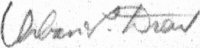
Drew, Urban (companion print) | | Maj Urban L Drew USAF (deceased) |
| Urban 'Ben' Drew was born in Detroit, Michigan in 1924. Three months after the attack on Pearl Harbor, at the age of eighteen, Drew joined the USAAF and commenced pilot training. He earned his wings and a commission at Mariana, Florida in October 1943. He remained in the States honing his flying skills as an instructor pilot for the North American P-51 Mustang at Bartow, Florida. In May of 1944 he received his first overseas combat assignment, sailing to England on the Queen Elizabeth. H |
|
Gailer, Frank L (companion print) | | Brigadier General Frank L. Gailer |
| General Gailer was born in Bakersfield, Calif., in 1923. Shortly thereafter, his family moved to New York, finally settling in Great Neck, Long Island. He graduated from Staunton Military Academy, Staunton, Va., in 1941, and attended Hofstra College, Hempstead, N.Y., until June 1942. He then entered the aviation cadet program and received pilot training at Parks Air College, Garden City, Kan., and Eagle Pass, Texas, where he earned his pilot wings and commission as second lieutenant. Frank Gail |
|
Bryan, Donald (matted on companion print) | | Lt Col Donald S Bryan (deceased) |
| Originally a P-40 instructor with the 79th Fighter Squadron, 20th Fighter Group, Don Bryan then transferred to the 328th Fighter Squadron, 352nd Fighter Group as a flight leader flying P-47s. Moving to Bodney, England, in June, he flew with the group on its first combat mission in September, flying his P-47 'Little One', named after his girlfriend Frances Norman. In April 1944, he transferred to P-51s, 'Little One II' and 'Little One III', and completed his first combat |
|
Carson, Leonard Kit (matted on companion print) | | Leonard Kit Carson (deceased) |
| Leonard 'Kit' Carson with 18.5 victories was the top ace of the 357th Fighter Group. His first victory was on April 8th 1944. He scored all his 18.5 victories flying five mustangs all named Nooky Booky. Kit Carson went onto to run the 357th's combat training school or 'Clobber College'. Captain Leonard K. Kit Carson, on the 38th mission of his second tour and having nine previous credits, became the second 357th pilot to become an ace in a day. He was squadron commander |
|
Goodson, Jim (matted on companion print) | | Lieutenant Colonel Jim Goodson (deceased) |
| Jim Goodson joined the RAF in 1940. Posted to re-form 133 Eagle Squadron RAF flying Spitfires, he transferred to the USAAF 4th fighter Group in September 1942, commanding 336 Squadron. Flying P47s and then P51s, Jim Goodson flew continuously until he was shot down ten months before the end of the war. He was one of the most highly decorated Aces in the USAAF, with 32 enemy aircraft to his credit. He died on 1st May 2014. |
|
Peterson, Richard Bud (matted on companion print) | | Major Richard Bud Peterson (deceased) |
| Bud Peterson was born in Hancock in 1923 and attended the University of Minnesota before joining the Army Reserve. He went through the cadet program and became a second lieutenant. He was sent to Europe to join the 357th Fighter Group. He scored his first victory in March 1944, bringing down an Fw190 in his P-51 Mustang. He eventually became the top scorer in 364th Fighter Squadron, with a final tally of 15.5 victories, and was the 10th Ace of the 357th Fighter Group. All his victories were |
|
Yeager, Charles E (matted on companion print) | | Brigadier General Charles E Yeager (deceased) |
| Born February 13th 1923. He enlisted as a private in the United States Army. Chalres Yaeger became a aircraft mechanic at George Air Force Base in California. Yaeger showed a talent as a pilot and became a Flight Officer on March 10th 1943 and joined the 357th Fighter Group. He trained on the P-39 Airocobras and in November 1943 went to Britain with his Squadron. He was stationed at RAF Leiston and flew P 51 Mustangs, his aircraft being Glamoras Glen. His first air victory was on March 5th |
|
+ Artist : Robert Taylor | £50 Off! | SOLD
OUT | NOT
AVAILABLE | | | American Aces Edition : Limited edition of 15 remarques. | Paper size 30.5 inches x 27 inches (78cm x 69cm) |
Anderson, C E Bud | | Colonel C E Bud Anderson (deceased) |
| Bud Anderson went to England with the 357th Fighter Group in 1943, the first Eighth Air Force Group to be equipped with the P-51 Mustang. He got himself on the score sheet on one of the first Berlin missions, dog fighting with a bunch of Me109s who had set upon a straggling B-17. On 29th June 1944, leading his squadron on a mission to Leipzig, they ran into a formation of Fw190s. In the ensuing battle Anderson shot down the leader, and two more Fw190s. After a short rest in the U.S., Bud ret |
|
Brooks, Jim | | Jim Brooks joined the 31st Fighter Group in Italy in early 1944, flying the P51 against Me109s, Fw190s, and the Italian Macchi Mc202. He scored his first victory on a mission to Ploesti. Later, leading the 307th Fighter Squadron on a Russian shuttle mission, they engaged a large formation of Ju87 Stukas, shooting down 27 enemy aircraft, Jim Brooks accounting for three of them. He ended his tour with 280 combat hours, and 13 confirmed victories. |
|
Cummings, Donald | | Colonel Donald Cummings (deceased) |
| Joining the USAAF in 1941, Don Cummings saw action in England, Africa and Italy, taking part in the Battle of Anzio. Flying first with the 12th Air Force and then posted to the 8th Air Force in England, flying with the 39th Fighter Squadron, 55th Fighter Group out of Wormingford. Don Cummings flew a total of 150 combat missions and on 25th February, 1945, became one of only two fighter Aces to shoot down two Me262 jet fighters on a single mission. He then served in occupied Germany after the |
|
Davis, Barrie S | | Colonel Barrie S Davis (deceased) |
| Mustang pilot with 6 victories. Commissioned and rated a pilot in August 1943, Barrie Davis was posted to Europe where he flew P-51s with the 317th Fighter Squadron, 325th Fighter Group. He got his first victory, an Fw190 over Bucharest, on 28th June 1944 followed by a couple of Me109s four days later. He became an Ace on 22nd August 1944 when he downed another Fw190 and ten minutes later got his sixth and final victory. He died on 19th August 2014. |
|
East, Clyde B | | Lieutenant Colonel Clyde B East (deceased) |
| Born in Pittsylvania County, Virginia on July 19, 1921, raised on a rural family farm. At 19, Clyde East traveled to Hamilton, Ontario, Canada and enlisted into the Royal Canadian Air Force. Soon after, East was admitted to pilot training and completed his training in 1942. Clyde East went on active servcie to England, where he flew interdiction missions in the P-51A Mustang, attacking ground targets in France, Belgium, and Holland. He also searched for U-boats over the water. Clyde East f |
|
Fiedler, Arthur C | | Colonel Arthur C Fiedler (deceased) |
| Arthur Charles Fiedler was born in Oak Park, Illinois on August 1, 1923. In April of 1942, five months after America entered WW 11, Fiedler enlisted in the Army Air Corps. He was sent to Avon Park, Florida for primary training, followed by basic training at Macon, Georgia, and advanced training at Marianna, Florida. He graduated with Class 43G in July of 1943, and was assigned as a flight instructor, flying Republic P-47 Thunderbolts at Dover, Delaware. In April of 1944 Second Lieutenant Feidler |
|
Karr, Robert A | | Lieutenant Colonel Robert A Karr (deceased) |
| Robert Karr was born on January 11, 1924, in Waterloo, Iowa. Robert enlisted in the U.S. Army Reserve on July 31, 1942, and entered the Aviation Cadet Program of the U.S. Army Air Forces on February 8, 1943, receiving his commission as a 2d Lt and pilot wings at Spence Field, Georgia, on November 3, 1943. After completing P-47 Thunderbolt training and serving with the 536th Fighter Squadron of the 87th Fighter Group, Lt Karr was assigned as a P-51C Mustang pilot with the 5th Fighter Squadron o |
|
Loving, George | | Lt Gen George Loving (deceased) |
| General George Loving was born in Roanoke, Va., in 1923, graduated from E.C. Glass High School in Lynchburg, Va., and attended Lynchburg College. He is a graduate of the University of Alabama and holds a master's degree from The George Washington University. During the academic year 1969-70, he was a research associate with the Council on Foreign Relations. He entered military service in March 1942 as an aviation cadet and graduated from flying school in 1943 with a commission as second lieu |
|
Pisanos, Steve | | Colonel Steve Pisanos (deceased) |
| Born Nov. 10, 1919, in the Athens suburb of Kolonos, Spiros Nicholas 'Steve' Pisanos, the son of a subway motorman, arrived in America in April 1938 as a crew member on a Greek merchant tramp steamer. Arriving in Baltimore speaking no English, he worked in a bakery and hotels to earn money for flying lessons at Floyd Bennett Field. In August 1940, he settled in Plainfield, New Jersey, and continued flying lessons at Westfield Airport. He earned a private pilot's license and, though s |
|
Strait, Donald | | Major General Donald Strait (deceased) |
| Don Strait was born on April 28th, 1918 and grew up in Verona, New Jersey. From an early age Don Strait wanted to be a pilot, and after working for Prudential Insurance Company for a short period Don Strait enlisted in 1940 in the 119th Observation Squadron of the New Jersey National Guard. Initially Don Strait was an armorer and moved up to become an aerial gunner in the two-seater O-46 and O-47 observation planes. He qualified as an aviation cadet in early 1942 and started his training at |
|
+ Artist : Robert Taylor | £50 Off! | SOLD
OUT | NOT
AVAILABLE | | | American Aces Edition : Limited edition of 5 double remarques. | Paper size 30.5 inches x 27 inches (78cm x 69cm) |
Anderson, C E Bud | | Colonel C E Bud Anderson (deceased) |
| Bud Anderson went to England with the 357th Fighter Group in 1943, the first Eighth Air Force Group to be equipped with the P-51 Mustang. He got himself on the score sheet on one of the first Berlin missions, dog fighting with a bunch of Me109s who had set upon a straggling B-17. On 29th June 1944, leading his squadron on a mission to Leipzig, they ran into a formation of Fw190s. In the ensuing battle Anderson shot down the leader, and two more Fw190s. After a short rest in the U.S., Bud ret |
|
Brooks, Jim | | Jim Brooks joined the 31st Fighter Group in Italy in early 1944, flying the P51 against Me109s, Fw190s, and the Italian Macchi Mc202. He scored his first victory on a mission to Ploesti. Later, leading the 307th Fighter Squadron on a Russian shuttle mission, they engaged a large formation of Ju87 Stukas, shooting down 27 enemy aircraft, Jim Brooks accounting for three of them. He ended his tour with 280 combat hours, and 13 confirmed victories. |
|
Cummings, Donald | | Colonel Donald Cummings (deceased) |
| Joining the USAAF in 1941, Don Cummings saw action in England, Africa and Italy, taking part in the Battle of Anzio. Flying first with the 12th Air Force and then posted to the 8th Air Force in England, flying with the 39th Fighter Squadron, 55th Fighter Group out of Wormingford. Don Cummings flew a total of 150 combat missions and on 25th February, 1945, became one of only two fighter Aces to shoot down two Me262 jet fighters on a single mission. He then served in occupied Germany after the |
|
Davis, Barrie S | | Colonel Barrie S Davis (deceased) |
| Mustang pilot with 6 victories. Commissioned and rated a pilot in August 1943, Barrie Davis was posted to Europe where he flew P-51s with the 317th Fighter Squadron, 325th Fighter Group. He got his first victory, an Fw190 over Bucharest, on 28th June 1944 followed by a couple of Me109s four days later. He became an Ace on 22nd August 1944 when he downed another Fw190 and ten minutes later got his sixth and final victory. He died on 19th August 2014. |
|
East, Clyde B | | Lieutenant Colonel Clyde B East (deceased) |
| Born in Pittsylvania County, Virginia on July 19, 1921, raised on a rural family farm. At 19, Clyde East traveled to Hamilton, Ontario, Canada and enlisted into the Royal Canadian Air Force. Soon after, East was admitted to pilot training and completed his training in 1942. Clyde East went on active servcie to England, where he flew interdiction missions in the P-51A Mustang, attacking ground targets in France, Belgium, and Holland. He also searched for U-boats over the water. Clyde East f |
|
Fiedler, Arthur C | | Colonel Arthur C Fiedler (deceased) |
| Arthur Charles Fiedler was born in Oak Park, Illinois on August 1, 1923. In April of 1942, five months after America entered WW 11, Fiedler enlisted in the Army Air Corps. He was sent to Avon Park, Florida for primary training, followed by basic training at Macon, Georgia, and advanced training at Marianna, Florida. He graduated with Class 43G in July of 1943, and was assigned as a flight instructor, flying Republic P-47 Thunderbolts at Dover, Delaware. In April of 1944 Second Lieutenant Feidler |
|
Karr, Robert A | | Lieutenant Colonel Robert A Karr (deceased) |
| Robert Karr was born on January 11, 1924, in Waterloo, Iowa. Robert enlisted in the U.S. Army Reserve on July 31, 1942, and entered the Aviation Cadet Program of the U.S. Army Air Forces on February 8, 1943, receiving his commission as a 2d Lt and pilot wings at Spence Field, Georgia, on November 3, 1943. After completing P-47 Thunderbolt training and serving with the 536th Fighter Squadron of the 87th Fighter Group, Lt Karr was assigned as a P-51C Mustang pilot with the 5th Fighter Squadron o |
|
Loving, George | | Lt Gen George Loving (deceased) |
| General George Loving was born in Roanoke, Va., in 1923, graduated from E.C. Glass High School in Lynchburg, Va., and attended Lynchburg College. He is a graduate of the University of Alabama and holds a master's degree from The George Washington University. During the academic year 1969-70, he was a research associate with the Council on Foreign Relations. He entered military service in March 1942 as an aviation cadet and graduated from flying school in 1943 with a commission as second lieu |
|
Pisanos, Steve | | Colonel Steve Pisanos (deceased) |
| Born Nov. 10, 1919, in the Athens suburb of Kolonos, Spiros Nicholas 'Steve' Pisanos, the son of a subway motorman, arrived in America in April 1938 as a crew member on a Greek merchant tramp steamer. Arriving in Baltimore speaking no English, he worked in a bakery and hotels to earn money for flying lessons at Floyd Bennett Field. In August 1940, he settled in Plainfield, New Jersey, and continued flying lessons at Westfield Airport. He earned a private pilot's license and, though s |
|
Strait, Donald | | Major General Donald Strait (deceased) |
| Don Strait was born on April 28th, 1918 and grew up in Verona, New Jersey. From an early age Don Strait wanted to be a pilot, and after working for Prudential Insurance Company for a short period Don Strait enlisted in 1940 in the 119th Observation Squadron of the New Jersey National Guard. Initially Don Strait was an armorer and moved up to become an aerial gunner in the two-seater O-46 and O-47 observation planes. He qualified as an aviation cadet in early 1942 and started his training at |
|
+ Artist : Robert Taylor | £50 Off! | SOLD
OUT | NOT
AVAILABLE | |
|
|
|