|
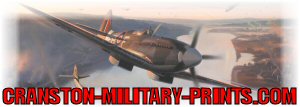
Eagle Force by Robert Taylor.
In the dark days of 1940 following Dunkirk, a seemingly defenceless Britain stood starkly alone in Europe, facing the might of an all-conquering Nazi Germany. Protected only by the narrow waters of the English Channel, it was left to a tiny band of young RAF fighter pilots to stem the Luftwaffes onslaught as the country braced itself for invasion. Across the Atlantic, America followed the savage encounters of the Battle of Britain, knowing that soon it too would become involved in the war. Unable to wait, a small band of Americans decided their time had come; some 240 young US pilots, motivated to fight for the cause of freedom, made their way to England to fly with the RAF, and later the USAAF; many paid the ultimate price, more than a third never returning home. By September 1940 these carefree young flyers were united into a re-formed 71 Squadron, the first of three Eagle Squadrons, and the first to go into action, followed shortly after by 121 and 133 squadrons. Showing the s.........
More Text... |
| | Item Code : DHM1639 | Eagle Force by Robert Taylor. - Editions Available | |
| | DESCRIPTION | SIZE | SIGNATURES | OFFERS | PRICE | PURCHASING | PACKS | | Signed limited edition of 400 prints. | Paper size 32.5 inches x 23.5 inches (82cm x 60cm) |
Pisanos, Steve | | Colonel Steve Pisanos (deceased) |
| Born Nov. 10, 1919, in the Athens suburb of Kolonos, Spiros Nicholas 'Steve' Pisanos, the son of a subway motorman, arrived in America in April 1938 as a crew member on a Greek merchant tramp steamer. Arriving in Baltimore speaking no English, he worked in a bakery and hotels to earn money for flying lessons at Floyd Bennett Field. In August 1940, he settled in Plainfield, New Jersey, and continued flying lessons at Westfield Airport. He earned a private pilot's license and, though s |
|

Edwards, Bill | | Colonel Bill Edwards (deceased) |
| Bill Edwards applied to the USAAF but was turned down because of two missing molars. He volunteered for the RAF in 1940, and was readily accepted and was shipped to Tulsa's Spartan School for RAF training. Upon graduation, he was sent to an OTU in England flying Hurricanes and Spitfires. He was assigned to the 133 Squadron, last of the famed 'Eagle Squadrons.' He flew convoy escort duty out of Northern Ireland and delivered all types of British aircraft to and from operational units. |
|
Gray, James | | Flight Lieutenant James Gray (deceased) |
| James Gray was in college and taking a civilian pilot training course when the European war began. 'I tried for the U.S. Army Air Corps and couldn't pass the physical,' he says. 'I heard that the British were recruiting pilots for the Royal Air Force. I wanted to fly a fast fighter.' Like many prospective Eagle Squadron pilots, Gray went to a special school in the United States and learned flying from former U.S. Army Air Corps pilots before shipping off to England. James |
|
+ Artist : Robert Taylor | | SOLD
OUT | NOT
AVAILABLE | In 7 Pairs
and 1 Pack
View | | Eagle edition of 25 artist proofs. | Paper size 32.5 inches x 23.5 inches (82cm x 60cm) |
Blakeslee, Don | | Colonel Don Blakeslee (deceased) |
| Joining the RAF in 1940 Don Blakeslee flew Spitfires with 401 Squadron. When the Eagle Squadron were formed he transferred as an experienced flight commander with several victories to his credit. An aggressive and fearless fighter pilot, Blakeslee was promoted to lead 133 Squadron, and was described as the best fighter leader the war produced. Already an Ace, he transferred to the USAAF 4th Fighter Group. By the war end he had over four years of continuous combat flying, and 14.5 air victori |
|

Goodson, Jim (companion print) | | Lieutenant Colonel Jim Goodson (deceased) |
| Jim Goodson joined the RAF in 1940. Posted to re-form 133 Eagle Squadron RAF flying Spitfires, he transferred to the USAAF 4th fighter Group in September 1942, commanding 336 Squadron. Flying P47s and then P51s, Jim Goodson flew continuously until he was shot down ten months before the end of the war. He was one of the most highly decorated Aces in the USAAF, with 32 enemy aircraft to his credit. He died on 1st May 2014. |
|
Cambell, John (companion print) | | Flight Lieutenant John Cambell |
| John Cambell flew Spitfires with 234 Squadron, before joining 121 Eagle Squadron. After the transfer of the Eagles to the USAAF, John chose to remain with the RAF and was posted to 258 Squadron for the final defence of Singapore, and then to 605 Squadron defending Java. With four victories in the Far East to his credit, in March 1942 the squadron was over-run by the Japanese, and John became a POW in a harsh prison camp in Java for the next 3 and a half years. |
|
Maxwell, George (companion print) | | Joining the RAF at the height of the Battle of Britain, George flew combat operations with 71 Squadron, the first Eagle Squadron. In September 1942 the squadron became the 334th Fighter Squadron, 4th Fighter Group, where he notched up a further 86 sorties. Later he served in both Korea and Vietnam. |
|
Miluck, Michael | | American volunteer Michael Miluck arrived in the UK in September 1941, and was posted to join 71 Eagle Squadron. Flying Spitfire Mk Vbs the squadron was engaged in escort and offensive fighter sweeps over the channel and northern France, taking part in the air cover over Dieppe. Later he flew Hurricanes with 250 Squadron. |
|
Nee, Don | | Lieutenant Colonel Don Nee |
| Don Nee flew Spitfires with 152 and 64 Squadrons RAF before being unified with other Americans into the first Eagle Squadron, No.71. He transferred to the 4th Fighter Group's 336th Fighter Squadron in September 1942 and flew 119 missions in P-47s and P-51s, becoming a flight commander. |
|
Ross, Don | | Lieutenant Colonel Don Ross |
| Don Ross flew Spitfire Vbs with the second American Eagle Squadron, 121 Squadron. By the time the squadron transferred to the 357th Fighter Group in September 1942 he had already completed 72 combat sorties. Shot down in February 1944 he became a POW until May 1945. He flew combat in Korea, and then F-4 Phantoms in Vietnam. |
|
Pisanos, Steve | | Colonel Steve Pisanos (deceased) |
| Born Nov. 10, 1919, in the Athens suburb of Kolonos, Spiros Nicholas 'Steve' Pisanos, the son of a subway motorman, arrived in America in April 1938 as a crew member on a Greek merchant tramp steamer. Arriving in Baltimore speaking no English, he worked in a bakery and hotels to earn money for flying lessons at Floyd Bennett Field. In August 1940, he settled in Plainfield, New Jersey, and continued flying lessons at Westfield Airport. He earned a private pilot's license and, though s |
|
Edwards, Bill | | Colonel Bill Edwards (deceased) |
| Bill Edwards applied to the USAAF but was turned down because of two missing molars. He volunteered for the RAF in 1940, and was readily accepted and was shipped to Tulsa's Spartan School for RAF training. Upon graduation, he was sent to an OTU in England flying Hurricanes and Spitfires. He was assigned to the 133 Squadron, last of the famed 'Eagle Squadrons.' He flew convoy escort duty out of Northern Ireland and delivered all types of British aircraft to and from operational units. |
|
Gray, James | | Flight Lieutenant James Gray (deceased) |
| James Gray was in college and taking a civilian pilot training course when the European war began. 'I tried for the U.S. Army Air Corps and couldn't pass the physical,' he says. 'I heard that the British were recruiting pilots for the Royal Air Force. I wanted to fly a fast fighter.' Like many prospective Eagle Squadron pilots, Gray went to a special school in the United States and learned flying from former U.S. Army Air Corps pilots before shipping off to England. James |
|
+ Artist : Robert Taylor | | SOLD
OUT | NOT
AVAILABLE | | | Eagle edition of 350 prints. | Paper size 32.5 inches x 23.5 inches (82cm x 60cm) |
Blakeslee, Don | | Colonel Don Blakeslee (deceased) |
| Joining the RAF in 1940 Don Blakeslee flew Spitfires with 401 Squadron. When the Eagle Squadron were formed he transferred as an experienced flight commander with several victories to his credit. An aggressive and fearless fighter pilot, Blakeslee was promoted to lead 133 Squadron, and was described as the best fighter leader the war produced. Already an Ace, he transferred to the USAAF 4th Fighter Group. By the war end he had over four years of continuous combat flying, and 14.5 air victori |
|
Goodson, Jim (companion print) | | Lieutenant Colonel Jim Goodson (deceased) |
| Jim Goodson joined the RAF in 1940. Posted to re-form 133 Eagle Squadron RAF flying Spitfires, he transferred to the USAAF 4th fighter Group in September 1942, commanding 336 Squadron. Flying P47s and then P51s, Jim Goodson flew continuously until he was shot down ten months before the end of the war. He was one of the most highly decorated Aces in the USAAF, with 32 enemy aircraft to his credit. He died on 1st May 2014. |
|
Cambell, John (companion print) | | Flight Lieutenant John Cambell |
| John Cambell flew Spitfires with 234 Squadron, before joining 121 Eagle Squadron. After the transfer of the Eagles to the USAAF, John chose to remain with the RAF and was posted to 258 Squadron for the final defence of Singapore, and then to 605 Squadron defending Java. With four victories in the Far East to his credit, in March 1942 the squadron was over-run by the Japanese, and John became a POW in a harsh prison camp in Java for the next 3 and a half years. |
|
Maxwell, George (companion print) | | Joining the RAF at the height of the Battle of Britain, George flew combat operations with 71 Squadron, the first Eagle Squadron. In September 1942 the squadron became the 334th Fighter Squadron, 4th Fighter Group, where he notched up a further 86 sorties. Later he served in both Korea and Vietnam. |
|
Miluck, Michael | | American volunteer Michael Miluck arrived in the UK in September 1941, and was posted to join 71 Eagle Squadron. Flying Spitfire Mk Vbs the squadron was engaged in escort and offensive fighter sweeps over the channel and northern France, taking part in the air cover over Dieppe. Later he flew Hurricanes with 250 Squadron. |
|
Nee, Don | | Lieutenant Colonel Don Nee |
| Don Nee flew Spitfires with 152 and 64 Squadrons RAF before being unified with other Americans into the first Eagle Squadron, No.71. He transferred to the 4th Fighter Group's 336th Fighter Squadron in September 1942 and flew 119 missions in P-47s and P-51s, becoming a flight commander. |
|
Ross, Don | | Lieutenant Colonel Don Ross |
| Don Ross flew Spitfire Vbs with the second American Eagle Squadron, 121 Squadron. By the time the squadron transferred to the 357th Fighter Group in September 1942 he had already completed 72 combat sorties. Shot down in February 1944 he became a POW until May 1945. He flew combat in Korea, and then F-4 Phantoms in Vietnam. |
|
Pisanos, Steve | | Colonel Steve Pisanos (deceased) |
| Born Nov. 10, 1919, in the Athens suburb of Kolonos, Spiros Nicholas 'Steve' Pisanos, the son of a subway motorman, arrived in America in April 1938 as a crew member on a Greek merchant tramp steamer. Arriving in Baltimore speaking no English, he worked in a bakery and hotels to earn money for flying lessons at Floyd Bennett Field. In August 1940, he settled in Plainfield, New Jersey, and continued flying lessons at Westfield Airport. He earned a private pilot's license and, though s |
|
Edwards, Bill | | Colonel Bill Edwards (deceased) |
| Bill Edwards applied to the USAAF but was turned down because of two missing molars. He volunteered for the RAF in 1940, and was readily accepted and was shipped to Tulsa's Spartan School for RAF training. Upon graduation, he was sent to an OTU in England flying Hurricanes and Spitfires. He was assigned to the 133 Squadron, last of the famed 'Eagle Squadrons.' He flew convoy escort duty out of Northern Ireland and delivered all types of British aircraft to and from operational units. |
|
Gray, James | | Flight Lieutenant James Gray (deceased) |
| James Gray was in college and taking a civilian pilot training course when the European war began. 'I tried for the U.S. Army Air Corps and couldn't pass the physical,' he says. 'I heard that the British were recruiting pilots for the Royal Air Force. I wanted to fly a fast fighter.' Like many prospective Eagle Squadron pilots, Gray went to a special school in the United States and learned flying from former U.S. Army Air Corps pilots before shipping off to England. James |
|
+ Artist : Robert Taylor | | SOLD
OUT | NOT
AVAILABLE | In 2 Pairs
and 1 Pack
View | | Eagle Tribute edition of 40 prints. | Paper size 32.5 inches x 23.5 inches (82cm x 60cm) |
Blakeslee, Don | | Colonel Don Blakeslee (deceased) |
| Joining the RAF in 1940 Don Blakeslee flew Spitfires with 401 Squadron. When the Eagle Squadron were formed he transferred as an experienced flight commander with several victories to his credit. An aggressive and fearless fighter pilot, Blakeslee was promoted to lead 133 Squadron, and was described as the best fighter leader the war produced. Already an Ace, he transferred to the USAAF 4th Fighter Group. By the war end he had over four years of continuous combat flying, and 14.5 air victori |
|
Goodson, Jim (companion print) | | Lieutenant Colonel Jim Goodson (deceased) |
| Jim Goodson joined the RAF in 1940. Posted to re-form 133 Eagle Squadron RAF flying Spitfires, he transferred to the USAAF 4th fighter Group in September 1942, commanding 336 Squadron. Flying P47s and then P51s, Jim Goodson flew continuously until he was shot down ten months before the end of the war. He was one of the most highly decorated Aces in the USAAF, with 32 enemy aircraft to his credit. He died on 1st May 2014. |
|
McColpin, Carroll W (matted on companion print) | | Major General Carroll W McColpin (deceased) |
| Carroll Warren McColpin was born in Buffalo, New York on November 15th 1914 and was raised and educated in Los Angeles. Carroll McColpin participated in civilian flying activities in Los Angeles, he started to learn to fly in 1928 and in 1936 obtained his pilots certificate. As a young man, he had built his own airplane and taught himself the basics of stick flying and aerial acrobatics by the age of sixteen. Carroll Red McColpin volunteered for the RAF in 1940 despite official US disapprova |
|
Tilley, Reade F (matted on companion print) | | Col Reade F Tilley USAF (deceased) |
| A native of Clearwater, Florida, Reade Tilley grew up with a love for competition in the fast lane. This made Reade natural for driving race cars and the military equivalent; fighter pilot. After attending the St. Petersburg College in Florida and the University of Texas at Austin, Reade was faced with the difficult choice of deciding whether to continue to pursue his race car driving career or become a fighter pilot. With war raging in Europe, Reade opted for the latter, and joined the Royal Ca |
|
Cambell, John (companion print) | | Flight Lieutenant John Cambell |
| John Cambell flew Spitfires with 234 Squadron, before joining 121 Eagle Squadron. After the transfer of the Eagles to the USAAF, John chose to remain with the RAF and was posted to 258 Squadron for the final defence of Singapore, and then to 605 Squadron defending Java. With four victories in the Far East to his credit, in March 1942 the squadron was over-run by the Japanese, and John became a POW in a harsh prison camp in Java for the next 3 and a half years. |
|
Maxwell, George (companion print) | | Joining the RAF at the height of the Battle of Britain, George flew combat operations with 71 Squadron, the first Eagle Squadron. In September 1942 the squadron became the 334th Fighter Squadron, 4th Fighter Group, where he notched up a further 86 sorties. Later he served in both Korea and Vietnam. |
|
Miluck, Michael | | American volunteer Michael Miluck arrived in the UK in September 1941, and was posted to join 71 Eagle Squadron. Flying Spitfire Mk Vbs the squadron was engaged in escort and offensive fighter sweeps over the channel and northern France, taking part in the air cover over Dieppe. Later he flew Hurricanes with 250 Squadron. |
|
Nee, Don | | Lieutenant Colonel Don Nee |
| Don Nee flew Spitfires with 152 and 64 Squadrons RAF before being unified with other Americans into the first Eagle Squadron, No.71. He transferred to the 4th Fighter Group's 336th Fighter Squadron in September 1942 and flew 119 missions in P-47s and P-51s, becoming a flight commander. |
|
Ross, Don | | Lieutenant Colonel Don Ross |
| Don Ross flew Spitfire Vbs with the second American Eagle Squadron, 121 Squadron. By the time the squadron transferred to the 357th Fighter Group in September 1942 he had already completed 72 combat sorties. Shot down in February 1944 he became a POW until May 1945. He flew combat in Korea, and then F-4 Phantoms in Vietnam. |
|
Coen, Oscar (matted on companion print) | | Colonel Oscar Coen (deceased) |
| Oscar Coen was born at Hannaford, N.D., on May 11, 1917, to Archie and Mary Coen. He grew up in Pound, Wis., and received his bachelor of science degree at the University of Wisconsin, Madison. Enlisting in 1940 into the RCAF, Oscar Coen transferred to the RAF in 1941, joining 71 Squadron RAF. In a daring raid over France he destroyed a complete ammunition train with a pass so low that exploding debris hit his Spitfire. Managing to bail out safely he was smuggled to Spain by the French Resist |
|
Allen, Luke (companion print) | | Volunteering for the RAF just as the Battle of Britain was reaching its climax, Luke joined 71 Eagle Squadron, flying his first combat operation in April 1941 on Hurricanes. Converting to Spitfires the squadron had a busy period of patrols, sweeps and escorts before transferring to the USAAF as the 334th Fighter Squadron. Luke flew over 60 combat missions in Europe. |
|
Crowe, Steve (companion print) | | Steve Crowe flew Hurricanes with 257 Squadron RAF. and undertook his first combat operation in November 1941. Along with other Americans he was then posted to join 133 Eagle Squadron, flying Spitfires, transferring to the USAAF in September 1942 as the 336th Fighter Squadron. He flew over 70 combat missions in both the European and Mediterranean theatres of operations. |
|
Slade, Bill (companion print) | | First Lieutenant Bill Slade |
| Arriving in England in July 1941, Bill quickly completed his RAF training and joined his fellow compatriots at 133 Eagle Squadron, formed a few months earlier. Flying Spitfires he took part in the air operations attacking the German battleships Scharnhorst and Gneisenau during the Channel Dash. Transferring to the 336th Fighter Squadron, USAAF, he completed a total of over 80 combat sorties during the war. |
|
Pisanos, Steve | | Colonel Steve Pisanos (deceased) |
| Born Nov. 10, 1919, in the Athens suburb of Kolonos, Spiros Nicholas 'Steve' Pisanos, the son of a subway motorman, arrived in America in April 1938 as a crew member on a Greek merchant tramp steamer. Arriving in Baltimore speaking no English, he worked in a bakery and hotels to earn money for flying lessons at Floyd Bennett Field. In August 1940, he settled in Plainfield, New Jersey, and continued flying lessons at Westfield Airport. He earned a private pilot's license and, though s |
|
Edwards, Bill | | Colonel Bill Edwards (deceased) |
| Bill Edwards applied to the USAAF but was turned down because of two missing molars. He volunteered for the RAF in 1940, and was readily accepted and was shipped to Tulsa's Spartan School for RAF training. Upon graduation, he was sent to an OTU in England flying Hurricanes and Spitfires. He was assigned to the 133 Squadron, last of the famed 'Eagle Squadrons.' He flew convoy escort duty out of Northern Ireland and delivered all types of British aircraft to and from operational units. |
|
Gray, James | | Flight Lieutenant James Gray (deceased) |
| James Gray was in college and taking a civilian pilot training course when the European war began. 'I tried for the U.S. Army Air Corps and couldn't pass the physical,' he says. 'I heard that the British were recruiting pilots for the Royal Air Force. I wanted to fly a fast fighter.' Like many prospective Eagle Squadron pilots, Gray went to a special school in the United States and learned flying from former U.S. Army Air Corps pilots before shipping off to England. James |
|
+ Artist : Robert Taylor | | SOLD
OUT | NOT
AVAILABLE | |
|
|
|