|
The Greatest Day by Robert Taylor.
Sunday 15 September 1940 and Luftwaffe supremo Hermann Goering believed victory over the RAF was at hand. Today, he decreed, would be the day that his 'glorious' Luftwaffe would finally break the back of Fighter Command's stubborn resistance. Or so he believed. In response to a massed formation of enemy aircraft detected heading for London, Air Vice Marshal Keith Park commanding 11 Group scrambled his squadrons. He also requested that 12 Group bring Douglas Bader's 'Big Wing' down from Duxford. Every available pilot and machine was committed. Prime Minister Winston Churchill turned to Park and asked "What other reserves have we" "There are none", Park replied. Bader now had five squadrons racing south, meeting what remained of the enemy on the outskirts of London. With a successful morning behind them the RAF fighters raced back to re-fuel and re-arm. Just after 14.00 hrs another enemy battle group was observed and this time the formations were .........
More Text... |
| | Item Code : DHM6496 | The Greatest Day by Robert Taylor. - Editions Available | |
| | DESCRIPTION | SIZE | SIGNATURES | OFFERS | PRICE | PURCHASING | PACKS | | Signed limited edition of 300 prints. | Paper size 33 inches x 25 inches (85cm x 64cm) Image size 26 inches x 17.5 inches (66cm x 44cm) |
Neil, Tom | | Wing Commander Tom Neil DFC* AFC (deceased) |
| Tom Neil was born on 14th July 1920 in Bootle, Lancashire. Tom Neil (also to become known in the RAF as 'Ginger') joined the RAFVR in October 1938 and began his flying training at 17 E and RFTS, Barton, Manchester. Tom Neil was called up on the 2nd os September 1939 being sent to 4 ITW, Bexhill in early November. On 1st December 1939, he was posted to 8 FTS and on completion of the course he was commissioned and posted to 249 Squadron in May 1940 flying Hurricanes just before the star |
|

Elkington, John | | Wing Commander John Elkington (deceased) |
| John (Tim) Elkington was born in 1920 and joined the RAF in September 1939. Commissioned as a Pilot Officer in July 1940 he was immediately posted to join 1 Squadron flying Hurricanes atTangmere. On 15 August he shot down an Me109 over the Channel, but the following day he was himself shot down over Thorney Island. He baled out injured and was admitted to hospital, his Hurricane crashing at Chidham. He died on 1st February 2019. |
|
+ Artist : Robert Taylor | | £210.00 | | | | Collectors edition of 25 artist proofs. | Paper size 33 inches x 25 inches (85cm x 64cm) Image size 26 inches x 17.5 inches (66cm x 44cm) |
Neil, Tom | | Wing Commander Tom Neil DFC* AFC (deceased) |
| Tom Neil was born on 14th July 1920 in Bootle, Lancashire. Tom Neil (also to become known in the RAF as 'Ginger') joined the RAFVR in October 1938 and began his flying training at 17 E and RFTS, Barton, Manchester. Tom Neil was called up on the 2nd os September 1939 being sent to 4 ITW, Bexhill in early November. On 1st December 1939, he was posted to 8 FTS and on completion of the course he was commissioned and posted to 249 Squadron in May 1940 flying Hurricanes just before the star |
|

Elkington, John | | Wing Commander John Elkington (deceased) |
| John (Tim) Elkington was born in 1920 and joined the RAF in September 1939. Commissioned as a Pilot Officer in July 1940 he was immediately posted to join 1 Squadron flying Hurricanes atTangmere. On 15 August he shot down an Me109 over the Channel, but the following day he was himself shot down over Thorney Island. He baled out injured and was admitted to hospital, his Hurricane crashing at Chidham. He died on 1st February 2019. |
|
Rall, Gunther | | General Gunther Rall (deceased) |
| A young pilot with III/JG52 at the outbreak of war. He quickly demonstrated his natural ability and leadership qualities, scoring his first air victory early in the Battle of Britain, and by July 1940 was leading 8/JG52. After transfer to the Eastern Front his air victories mounted at an astonishing rate. A crash hospitalised him but within nine months he was back in the cockpit, and, when commanding III/JG52, gained the Wings 500th victory. Gunther fought throughout the war to become the 3r |
|
Pickering, Tony | | Tony Pickering AFC (deceased) |
| With the RAFVR just before the war commenced, Tony Pickering joined 32 Squadron at Biggin Hill in July 1940, flying Hurricanes, and in August 1940 to 501 Squadron at Gravesend. In September he was shot down in Hurricane P5200, but unhurt in a duel with an Me109, destroying another 109 a few weeks later. In December he joined 601 Squadron at Northolt. After a spell instructing, he joined 131 as a Flight Commander in February 1943, and later served as a Squadron Commander in the Middle East. T |
|
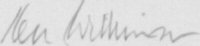
Wilkinson, Ken | | Flying Officer Ken Wilkinson (deceased) |
Battle of Britain pilot flying Hurricanes, he flew Spitfires with 611 Sqn and then 616 Sqn at Kirton-in-Lindsey and 19 Sqn at Fowlmere during 1940 and after a spell instructing returned to operations on Spitfires, with 234 and 165 Squadrons. After spending time with 53, 24 and 10 Operational Training Units, he left the RAF in November 1945 and served in the RAFVR.
Ken said :
From 1st September 1939 I wrote myself off. I thought, 'you've got no chance' lasting through whatev |
|
+ Artist : Robert Taylor | | £375.00 | | | | Collectors edition of 175 prints. | Paper size 33 inches x 25 inches (85cm x 64cm) Image size 26 inches x 17.5 inches (66cm x 44cm) |
Neil, Tom | | Wing Commander Tom Neil DFC* AFC (deceased) |
| Tom Neil was born on 14th July 1920 in Bootle, Lancashire. Tom Neil (also to become known in the RAF as 'Ginger') joined the RAFVR in October 1938 and began his flying training at 17 E and RFTS, Barton, Manchester. Tom Neil was called up on the 2nd os September 1939 being sent to 4 ITW, Bexhill in early November. On 1st December 1939, he was posted to 8 FTS and on completion of the course he was commissioned and posted to 249 Squadron in May 1940 flying Hurricanes just before the star |
|
Elkington, John | | Wing Commander John Elkington (deceased) |
| John (Tim) Elkington was born in 1920 and joined the RAF in September 1939. Commissioned as a Pilot Officer in July 1940 he was immediately posted to join 1 Squadron flying Hurricanes atTangmere. On 15 August he shot down an Me109 over the Channel, but the following day he was himself shot down over Thorney Island. He baled out injured and was admitted to hospital, his Hurricane crashing at Chidham. He died on 1st February 2019. |
|
Rall, Gunther | | General Gunther Rall (deceased) |
| A young pilot with III/JG52 at the outbreak of war. He quickly demonstrated his natural ability and leadership qualities, scoring his first air victory early in the Battle of Britain, and by July 1940 was leading 8/JG52. After transfer to the Eastern Front his air victories mounted at an astonishing rate. A crash hospitalised him but within nine months he was back in the cockpit, and, when commanding III/JG52, gained the Wings 500th victory. Gunther fought throughout the war to become the 3r |
|
Pickering, Tony | | Tony Pickering AFC (deceased) |
| With the RAFVR just before the war commenced, Tony Pickering joined 32 Squadron at Biggin Hill in July 1940, flying Hurricanes, and in August 1940 to 501 Squadron at Gravesend. In September he was shot down in Hurricane P5200, but unhurt in a duel with an Me109, destroying another 109 a few weeks later. In December he joined 601 Squadron at Northolt. After a spell instructing, he joined 131 as a Flight Commander in February 1943, and later served as a Squadron Commander in the Middle East. T |
|
Wilkinson, Ken | | Flying Officer Ken Wilkinson (deceased) |
Battle of Britain pilot flying Hurricanes, he flew Spitfires with 611 Sqn and then 616 Sqn at Kirton-in-Lindsey and 19 Sqn at Fowlmere during 1940 and after a spell instructing returned to operations on Spitfires, with 234 and 165 Squadrons. After spending time with 53, 24 and 10 Operational Training Units, he left the RAF in November 1945 and served in the RAFVR.
Ken said :
From 1st September 1939 I wrote myself off. I thought, 'you've got no chance' lasting through whatev |
|
+ Artist : Robert Taylor | | £275.00 | | | | Anniversary edition of 75 prints. | Paper size 33 inches x 25 inches (85cm x 64cm) Image size 26 inches x 17.5 inches (66cm x 44cm) |
Neil, Tom | | Wing Commander Tom Neil DFC* AFC (deceased) |
| Tom Neil was born on 14th July 1920 in Bootle, Lancashire. Tom Neil (also to become known in the RAF as 'Ginger') joined the RAFVR in October 1938 and began his flying training at 17 E and RFTS, Barton, Manchester. Tom Neil was called up on the 2nd os September 1939 being sent to 4 ITW, Bexhill in early November. On 1st December 1939, he was posted to 8 FTS and on completion of the course he was commissioned and posted to 249 Squadron in May 1940 flying Hurricanes just before the star |
|
Elkington, John | | Wing Commander John Elkington (deceased) |
| John (Tim) Elkington was born in 1920 and joined the RAF in September 1939. Commissioned as a Pilot Officer in July 1940 he was immediately posted to join 1 Squadron flying Hurricanes atTangmere. On 15 August he shot down an Me109 over the Channel, but the following day he was himself shot down over Thorney Island. He baled out injured and was admitted to hospital, his Hurricane crashing at Chidham. He died on 1st February 2019. |
|
Rall, Gunther | | General Gunther Rall (deceased) |
| A young pilot with III/JG52 at the outbreak of war. He quickly demonstrated his natural ability and leadership qualities, scoring his first air victory early in the Battle of Britain, and by July 1940 was leading 8/JG52. After transfer to the Eastern Front his air victories mounted at an astonishing rate. A crash hospitalised him but within nine months he was back in the cockpit, and, when commanding III/JG52, gained the Wings 500th victory. Gunther fought throughout the war to become the 3r |
|
Pickering, Tony | | Tony Pickering AFC (deceased) |
| With the RAFVR just before the war commenced, Tony Pickering joined 32 Squadron at Biggin Hill in July 1940, flying Hurricanes, and in August 1940 to 501 Squadron at Gravesend. In September he was shot down in Hurricane P5200, but unhurt in a duel with an Me109, destroying another 109 a few weeks later. In December he joined 601 Squadron at Northolt. After a spell instructing, he joined 131 as a Flight Commander in February 1943, and later served as a Squadron Commander in the Middle East. T |
|
Wilkinson, Ken | | Flying Officer Ken Wilkinson (deceased) |
Battle of Britain pilot flying Hurricanes, he flew Spitfires with 611 Sqn and then 616 Sqn at Kirton-in-Lindsey and 19 Sqn at Fowlmere during 1940 and after a spell instructing returned to operations on Spitfires, with 234 and 165 Squadrons. After spending time with 53, 24 and 10 Operational Training Units, he left the RAF in November 1945 and served in the RAFVR.
Ken said :
From 1st September 1939 I wrote myself off. I thought, 'you've got no chance' lasting through whatev |
|
Galland, Adolf | | General Adolf Galland (deceased) |
| Adolf Galland fought in the great Battles of Poland, France and Britain, leading the famous JG26 Abbeville Boys. He flew in combat against the RAFs best including Douglas Bader, Bob Stanford Tuck and Johnnie Johnson. In 1941, at the age of 29, he was promoted to Inspector of the Fighter Arm. In 1942 Hitler personally selected Galland to organise the fighter escort for the Channel Dash. He became the youngest General in the German High Command but open disagreements with Goering led to his di |
|
McInnes, Archibald | | Flt Lt Archibald McInnes (deceased) |
| Commissioned as a Pilot in 1940 with 601 Sqn and later moved to 238 Sqn, completing his service with this Squadron. Archie flew Hurricanes with 601 Squadron at Exeter before moving to 238 Squadron at Chilbolton. He was later stationed in Malta, after travelling on board HMS Victorious during the hunt for the Bismarck. He lost his left arm after being shot down in North Africa, and after recovering he returned to active service with 691 Squadron at Roborough. Archibald McInnes passed away on We |
|
Clark, Terry | | Flight Lieutenant Terry Clark (deceased) |
| Terry Clark was born in Croyden on 11th April 1919. Terry Clark joined 615 RAuxAF in March 1938 in Kenley, as an Aircrafthand. Called up in 1939, he joined 615 Squadron, Auxiliary Air force, and flew as a gunner in Hawker Hectors before he qualified as an Air Gunner and also a Radio Observer. He joined No.219 Sqn at Catterick in July 1940 and flew on Beaufighters throughout the Battle of Britain. By September 1940, the conflict had reached its zenith and at night the feared Blitz began in ea |
|
Hughes, William Robert Bob | | Flight Lieutenant William Robert Bob Hughes DFC AE (deceased) |
| Bob Hughes joined the RAF Volunteer Reserve in May 1939 and became an air gunner taking the wireless & gunnery courses as a WOp/AG, and was posted to 5 OTU Aston Down on 20th July to convert to Bristol Blenheims. On 17th August 1940 he joined 23 Squadron at Wittering. During the Battle of Britain he took part in night-fighter Operations. After the Battle of Britain he completed 2 operational tours on bombers with 149 Squadron at Mildenhall, in Wellington Bombers. On 11th March 1941, he went |
|
Summers, Richard G B | | Wing Commander Richard G B Summers (deceased) |
| Richard G B Summers was a navigator on Blenheims with 219 squadron at the age of 18. He fought throughout the Battle of Britain and after the cmapaign served in West Africa and Gibraltar. After the war he served on V-Bombers and received an OBE for gallant and distinguished service during the Mau Mau emergency in Kenya during the 1950s. Richard Gordon Battensby Summers was born on 18th October 1921 in Beverley, East Yorkshire and was educated at Ermysteds Grammar School at Skipton. In April 1 |
|
+ Artist : Robert Taylor | | £495.00 | | | | Battle of Britain Tribute edition of 10 prints. | Paper size 33 inches x 25 inches (85cm x 64cm) Image size 26 inches x 17.5 inches (66cm x 44cm) |
Neil, Tom | | Wing Commander Tom Neil DFC* AFC (deceased) |
| Tom Neil was born on 14th July 1920 in Bootle, Lancashire. Tom Neil (also to become known in the RAF as 'Ginger') joined the RAFVR in October 1938 and began his flying training at 17 E and RFTS, Barton, Manchester. Tom Neil was called up on the 2nd os September 1939 being sent to 4 ITW, Bexhill in early November. On 1st December 1939, he was posted to 8 FTS and on completion of the course he was commissioned and posted to 249 Squadron in May 1940 flying Hurricanes just before the star |
|
Elkington, John | | Wing Commander John Elkington (deceased) |
| John (Tim) Elkington was born in 1920 and joined the RAF in September 1939. Commissioned as a Pilot Officer in July 1940 he was immediately posted to join 1 Squadron flying Hurricanes atTangmere. On 15 August he shot down an Me109 over the Channel, but the following day he was himself shot down over Thorney Island. He baled out injured and was admitted to hospital, his Hurricane crashing at Chidham. He died on 1st February 2019. |
|
Rall, Gunther | | General Gunther Rall (deceased) |
| A young pilot with III/JG52 at the outbreak of war. He quickly demonstrated his natural ability and leadership qualities, scoring his first air victory early in the Battle of Britain, and by July 1940 was leading 8/JG52. After transfer to the Eastern Front his air victories mounted at an astonishing rate. A crash hospitalised him but within nine months he was back in the cockpit, and, when commanding III/JG52, gained the Wings 500th victory. Gunther fought throughout the war to become the 3r |
|
Pickering, Tony | | Tony Pickering AFC (deceased) |
| With the RAFVR just before the war commenced, Tony Pickering joined 32 Squadron at Biggin Hill in July 1940, flying Hurricanes, and in August 1940 to 501 Squadron at Gravesend. In September he was shot down in Hurricane P5200, but unhurt in a duel with an Me109, destroying another 109 a few weeks later. In December he joined 601 Squadron at Northolt. After a spell instructing, he joined 131 as a Flight Commander in February 1943, and later served as a Squadron Commander in the Middle East. T |
|
Wilkinson, Ken | | Flying Officer Ken Wilkinson (deceased) |
Battle of Britain pilot flying Hurricanes, he flew Spitfires with 611 Sqn and then 616 Sqn at Kirton-in-Lindsey and 19 Sqn at Fowlmere during 1940 and after a spell instructing returned to operations on Spitfires, with 234 and 165 Squadrons. After spending time with 53, 24 and 10 Operational Training Units, he left the RAF in November 1945 and served in the RAFVR.
Ken said :
From 1st September 1939 I wrote myself off. I thought, 'you've got no chance' lasting through whatev |
|
Galland, Adolf | | General Adolf Galland (deceased) |
| Adolf Galland fought in the great Battles of Poland, France and Britain, leading the famous JG26 Abbeville Boys. He flew in combat against the RAFs best including Douglas Bader, Bob Stanford Tuck and Johnnie Johnson. In 1941, at the age of 29, he was promoted to Inspector of the Fighter Arm. In 1942 Hitler personally selected Galland to organise the fighter escort for the Channel Dash. He became the youngest General in the German High Command but open disagreements with Goering led to his di |
|
McInnes, Archibald | | Flt Lt Archibald McInnes (deceased) |
| Commissioned as a Pilot in 1940 with 601 Sqn and later moved to 238 Sqn, completing his service with this Squadron. Archie flew Hurricanes with 601 Squadron at Exeter before moving to 238 Squadron at Chilbolton. He was later stationed in Malta, after travelling on board HMS Victorious during the hunt for the Bismarck. He lost his left arm after being shot down in North Africa, and after recovering he returned to active service with 691 Squadron at Roborough. Archibald McInnes passed away on We |
|
Clark, Terry | | Flight Lieutenant Terry Clark (deceased) |
| Terry Clark was born in Croyden on 11th April 1919. Terry Clark joined 615 RAuxAF in March 1938 in Kenley, as an Aircrafthand. Called up in 1939, he joined 615 Squadron, Auxiliary Air force, and flew as a gunner in Hawker Hectors before he qualified as an Air Gunner and also a Radio Observer. He joined No.219 Sqn at Catterick in July 1940 and flew on Beaufighters throughout the Battle of Britain. By September 1940, the conflict had reached its zenith and at night the feared Blitz began in ea |
|
Hughes, William Robert Bob | | Flight Lieutenant William Robert Bob Hughes DFC AE (deceased) |
| Bob Hughes joined the RAF Volunteer Reserve in May 1939 and became an air gunner taking the wireless & gunnery courses as a WOp/AG, and was posted to 5 OTU Aston Down on 20th July to convert to Bristol Blenheims. On 17th August 1940 he joined 23 Squadron at Wittering. During the Battle of Britain he took part in night-fighter Operations. After the Battle of Britain he completed 2 operational tours on bombers with 149 Squadron at Mildenhall, in Wellington Bombers. On 11th March 1941, he went |
|
Summers, Richard G B | | Wing Commander Richard G B Summers (deceased) |
| Richard G B Summers was a navigator on Blenheims with 219 squadron at the age of 18. He fought throughout the Battle of Britain and after the cmapaign served in West Africa and Gibraltar. After the war he served on V-Bombers and received an OBE for gallant and distinguished service during the Mau Mau emergency in Kenya during the 1950s. Richard Gordon Battensby Summers was born on 18th October 1921 in Beverley, East Yorkshire and was educated at Ermysteds Grammar School at Skipton. In April 1 |
|
Thorogood, Laurence (companion print) | | Squadron Leader Laurence Thorogood DFC AE (deceased) |
| Joining 87 Squadron on June 14th 1940, Laurence Thorogood was thrown straight into the Battle of Britain, destroying a Ju88 on 25th August. Commissioned in 1941 he then was posted to India and remained in the Far East until the end of the war. He served with No 9 Sqn Indian Air Force (Hurricane IIc) and 67 Sqn RAF (Spitfire VIII) in the campaign down the Arakan Coast. Staying in the RAF after the war, he served in Singapore and Sumatra with 155 Sqn before converting to Vampires on 130 Sqn, aft |
|
Millard, Jocelyn G P (companion print) | | Squadron Leader Jocelyn G P Millard (deceased) |
| Volunteering for the RAFVR in August 1939, J G Millard was called up for full time service the following month. Converting to Hurricanes, he was posted to 1 Squadron at Wittering in October 1940, and shortly after transferred to Dougla Baders 242 Squadron at Coltishall. In November he moved to 615 Squadron at Northolt. After the Battle of Britain he spent time as an instructor, going to Canada. He later became Squadron Commander of 35 SFTS. Sadly, Jocelyn Millard passed away on the 10th of |
|
Stapleton, Basil (companion print) | | Squadron Leader Basil Stapleton DFC (deceased) |
| Born in South Africa, Basil Gerald Stapleton joined the RAF in Jan 1939, being posted to 603 Sqn flying Spitfires. He first saw action off Scotland, sharing in the destruction of two bombers, before the Squadron was posted south to Hornchurch during the height of the Battle of Britain. By Nov 1940 his tally had risen to 6 and 2 shared victories and 8 probables. In March 1942 he was posted to 257 Sqn as flight commander. In August 1944 he commanded 247 Sqn flying Typhoons, taking part in the |
|
Leigh, Arthur (companion print) | | Squadron Leader Arthur Leigh DFC, DFM (deceased) |
| Another RAFVR pilot, The son of a regular soldier, Arthur Leigh was called up at the outbreak of war. After finishing his flying training he was posted to 7 OTU and then on to convert to Spitfires in August 1940. Arthur Leigh flew with 64 Squadron at Leconfield and 72 Squadron at Biggin Hill during the Battle of Britain before transferring to 611 Squadron. Awarded the DFM in September 1941, Leigh had then completed 50 sweeps, had destroyed two Bf 109s, probably destroyed another four and shared |
|
Barthropp, Paddy (companion print) | | Wing Commander Paddy Barthropp DFC AFC (deceased) |
| At the outbreak of war Paddy flew obsolete Hinds, Hectors and Lysanders in combat, but converted to Spitfires and joined 602 Squadron at Tangmere. During the Battle of Britain he flew with some of the great aces - Douglas Bader, Sailor Malan, and Bob Stanford Tuck. In 1941 he was a Flight Commander with 610 Squadron. Continuing to fly Spitfires, now with 122 Squadron based at Hornchurch, he flew fighter sweeps and escort missions. On 17th May 1942 he was shot down over St Omer. He baled out |
|
Drake, Billy (companion print) | | Group Captain Billy Drake DSO DFC* (deceased) |
| Joined the R.A.F. in 1936. His first posting was to 1 squadron flying Furies then Hurricanes and first saw action over France in the Spring of 1940 and was awarded his first DFC by the end of the year. As a Squadron Leader he was sent to West Africa to command 128 Squadron. 1942 saw his commanding 112 squadron in North Africa, in July saw an immediate BAR to his DFC and in December an immediate DSO. Posted to Malta as Wing Commander he won a US DFC in 1943. Back in the UK he now was flying Typho |
|
Barwell, Eric (companion print) | | Wing Commander Eric Barwell (deceased) |
| Born in Suffolk in August 1913, Eric Barwell joined the RAFVR in 1938 to train as a pilot. He was commissioned into No.264 Sqn in February 1940, flying the Boulton-Paul Defiant. His squadron flew in support of the evacuation of Dunkirk, and he claimed two Me109s, two Ju87 Stukas and a Heinkel during this evacuation. However, in the combat with the Heinkel, his aircraft was damaged and he was forced to ditch, managing to put it down in the water between two British destroyers. He and his gunn |
|
McGowan, Roy (companion print) | | Squadron Leader Roy McGowan (deceased) |
| Flying Hurricanes with No.46 Squadron, Roy McGowan was shot down on 15th September 1940. Sufferring from severe burns he was hospitalised and treated by the pioneering plastic surgeon Archie McIndoe, and was one of the founding members of the famous 'Guinea Pig Club'. |
|
Mackenzie, Ken (companion print) | | Wng Cmdr Ken Mackenzie (deceased) |
| Ken Mackenzie flew 2 ops on Hurricanes with No.43 Sqn before joining No.501 Sqn based at Kenley during the Battle of Britain, again on Hurricanes. During his time with No.501 Sqn, he claimed 7 victories, with a further 4 shared and 3 damaged. In the most remarkable of these, Ken was following what he thought was a damaged Me109 down to sea level. Realising the aircraft was not damaged, he deliberately struck the tailplane of the enemy aircraft with the wing of his Hurricane (V6799), forcing h |
|
Denchfield, David (companion print) | | Warrant Officer David Denchfield (deceased) |
| Called up in 1939 he converted to Spitfires and joined 610 Squadron at Acklington in the Battle of Britain. On a Blenheim escort to St Omer in February 1941 his aircraft was hit and, having baled out at 5,000 feet, he was captured by the Germans. He spent time in several POW camps, including Stalg Luft III, and at the end of the war in May 1945 flew back to the UK in a Lancaster of 617 Squadron. Sadly he passed away on 5th December 2012. |
|
Bader, Douglas (matted on companion print) | | Group Captain Sir Douglas Bader CBE, DSO*, DFC* (deceased) |
| One of the most famous fighter aces of World War Two, Douglas Bader joined the RAF in 1928. A fearless aerobatic flyer, his luck ran out when his aircraft crashed attempting a slow roll. He lost both legs, and his career in the RAF was, for the time being, over. At the outbreak of World War Two however, his persistence persuaded the RAF to let him fly again, this time with artificial legs. Joining 19 Squadron in February 1940, he soon scored his first victory. A brilliant fighter leader, he |
|
Sheen, Desmond (matted on companion print) | | Group Captain Desmond Sheen DFC* (deceased) |
| Desmond Frederick Burt Sheen was born in Sydney, Australia, on October 2 1917. After school, he received a cadetship in the Royal Australian Air Force and in 1937 sailed for Britain, where he was granted a short service commission in the RAF and was posted to No 72 Squadron. During the Battle of Britain, Desmond got his first victories and was shot down twice during the Battle of Britain, in the course of which he accounted for three enemy aircraft destroyed, one shared, two probably destroyed |
|
Munchberg, Joachim (matted on companion print) | | Joachim Munchberg (deceased) |
| Joachim Müncheberg is credited with 135 air victories with the majority of his victories were claimed over the Western Front, and 33 claims over the Eastern Front. Of his 102 aerial victories achieved over the Western Allies, 46 were against Supermarine Spitfire fighters. Müncheberg died of wounds after an engagement in his Bf 109 G-6 (Werknummer 16 381) on 23rd March 1943 over Tunisia when his 135th victim, a USAAF 52nd Fighter Group Spitfire exploded in front of him after a close- |
|
Bethke, Siegfried (matted on companion print) | | Oberleutnant Siegfried Bethke (deceased) |
| Siegfried Bethke joined the Luftwaffe in 1935 and was posted to II./JG2 shortly before the Battle of France. During the Battle of Britain he was Staffelkapitan of 2. Staffel JG2, and by the end of 1940 his tally had reached 10. He flew on the Channel Dash but later a serious accident halted his flying career. Awarded the Iron Cross I and II Class, he had a total of 14 victories. |
|
Jabs, Hans-Joachim (matted on companion print) | | Oberstleutnant Hans-Joachim Jabs (deceased) |
| After seeing combat as a pilot in Czechoslovakia and the great air battles over France and Belgium, Hans-Joachim Jabs flew the Messerschmitt Me110 Zerstorer throughout the Battle of Britain with II./ZG76 Sharks Gruppe. During this time he shot down eight Spitfires and four Hurricanes and was awarded the Knights Cross in October 1940. Hans-Joachim Jabs retrained as a night fighter pilot, briefly returning to daylight operations to escort the German capital ships on the famous Channel Dash. He |
|
Weissflog, Erich (matted on companion print) | | Oberstleutnant Erich Weissflog (deceased) |
| Erich Weissflog flew in the Me110 Zerstorer during the Battle of Britain with II./ZG76, the Sharks Gruppe. He was also radio operator to Hans-Joachim Jabs on almost all his Destroyer, and later, night fighter missions in NG1. He was awarded the Knights Cross in 1944 and participated in a total of 48 day and night air victories. He passed away in 1999. |
|
Wust, Willi (matted on companion print)NO
PHOTO
AVAILABLE
 |
| | Together with his pilot - Knights Cross winner Alfred Wehmeyer, Willi Wust flew as radio operator in the Me110 Zerstorer during the Battle of Britain with III./ZG26 Horst Wessel. In 1941 he and Wehmeyer were posted with ZG26 to the Mediterranean where they flew over 113 combat missions in Africa and Crete, scoring 8 air victories. He was awarded the Knights Cross First Class. |
|
Elles, Franz (matted on companion print)NO
PHOTO
AVAILABLE
 |
| | Franz Elles began operations in 1940 with 1 Staffel, I./JG-27 and saw action in the Battle of Britain under the command of Edu Neumann. Transferred in early 1941 to North Africa he flew as wing-man to the famous Knight's Cross holder Karl-Wolfgang Redlich. He had scored 5 victories flying Me109s. At the end of that year, Elles, defending his leader's tail in a close air combat, was shot down behind enemy lines and taken prisoner. He spent the remainder of the war as a prisoner of war |
|
+ Artist : Robert Taylor | | SOLD
OUT | NOT
AVAILABLE | |
|
|