Cranston Military Prints .com Home Page
Customer Helpline (UK) : 01436 820269
Subscribe to our Newsletter!

You currently have no items in your basket

Payment Options Display
Buy with confidence and security!
Publishing historical art since 1985


Navigation Menus
Military
Art Index
Aviation
Art Index
Naval
Art Index
Artists
Index
Product Search         
Aviation
History Archive
Naval
History Archive
HALF PRICE AND FREE PRINT SPECIAL OFFERS
ALWAYS GREAT OFFERS :
20% FURTHER PRICE REDUCTIONS ON HUNDREDS OF LIMITED EDITION ART PRINTS
BUY ONE GET ONE HALF PRICE ON THOUSANDS OF PAINTINGS AND PRINTS
FOR MORE OFFERS SIGN UP TO OUR FREE NEWSLETTER
Detroit Miss by Brian Bateman. (P) - Cranston Military Prints

Detroit Miss by Brian Bateman. (P)


Detroit Miss by Brian Bateman. (P)

Urban Ben Drew in his P-51 Mustang Detroit Miss claiming his fifth victory to become an Ace. The German Heinkel He111 was over the Baltic Sea on 18th September 1944 when it was spotted by Ben. Attempting to escape Ben and the two other Mustangs with him, the German aircraft made for the coast, but was shot down and plunged into the sea before making landfall.
Item Code : B0407PDetroit Miss by Brian Bateman. (P) - Editions Available
DESCRIPTIONSIZESIGNATURESOFFERSPRICEPURCHASINGPACKS
Original pencil drawing by Brian Bateman. Paper size 16 inches x 12 inches (41cm x 31cm)
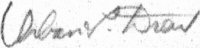
Drew, Urban

Died : 2013
Maj Urban L Drew USAF (deceased)
Urban 'Ben' Drew was born in Detroit, Michigan in 1924. Three months after the attack on Pearl Harbor, at the age of eighteen, Drew joined the USAAF and commenced pilot training. He earned his wings and a commission at Mariana, Florida in October 1943. He remained in the States honing his flying skills as an instructor pilot for the North American P-51 Mustang at Bartow, Florida. In May of 1944 he received his first overseas combat assignment, sailing to England on the Queen Elizabeth. H
Signature Value : £40
CLICK HERE FOR FULL PROFILE
 
+ Artist : Brian Bateman


Signature(s) value alone : £40
£100 Off!Now : £300.00

Quantity:


Some other related items available from this site.

 From the day they began their aerial campaign against Nazi Germany to the cessation of hostilities in 1945, the USAAF bomber crews plied their hazardous trade in broad daylight. This tactic may have enabled better sighting of targets, and possibly less danger of mid-air collisions, but the grievous penalty of flying daylight missions over enemy territory was the ever presence of enemy fighters. Though heavily armed, the heavy bombers of the American Eighth Air Force were no match against the fast, highly manoeuvrable Me109s, Fw190s and, late in the war, Me 262 jet fighters which the Luftwaffe sent up to intercept them. Without fighter escort they were sitting ducks, and inevitably paid a heavy price. Among others, one fighter group earned particular respect, gratitude, and praise from bomber crews for their escort tactics. The 356th FG stuck rigidly to the principle of tight bomber escort duty, their presence in tight formation with the bombers often being sufficient to deter enemy attack. Repeatedly passing up the opportunity to increase individual scores, the leadership determined it more important to bring the bombers home than claim another enemy fighter victory. As the air war progressed this philosophy brought about an unbreakable bond between heavy bomber crews and escort fighter pilots, and among those held in the highest esteem were the pilots of the 356th. Top scoring ace Donald J Strait, flying his P-51 D Mustang Jersey Jerk, together with pilots of the 356th Fighter Group, are seen in action against Luftwaffe Fw 190s while escorting B-17 bombers returning from a raid on German installations during the late winter of 1944. One minute all is orderly as the mighty bombers thunder their way homeward, the next minute enemy fighters are upon them and all hell breaks loose. <br><br><b>Published 2003.<br><br>Signed by three of the top pilots from the 356th Fighter group.</b>

Ace of Diamonds by Nicolas Trudgian.
When a fighter escort with a bombers range first appeared over Berlin, Goering knew the end of the war was only a matter of time. when that particular fighter escort turned out to be the Mustang, perhaps the most outstanding of all WWII fighters, the time was all too short. Unlike the RAFs Spitfire and Hurricane, that had succeeded in the Battle of Britain, Goerings Luftwaffe failed to protect its own air space, leaving allied air forces unhampered to bomb Germany by both day and night.  Two battle weary Mustangs of 357th Fighter Group, with ammunition spent and fuel low, have broken away from the main bomber force to head across the Channel for home.

Head for Home by Anthony Saunders.
Mustang P51 Nooky Booky IV flown by Captain Leonard Kit Carson of the 362nd Fighter Squadron, 357th Fighter Group, giving fighter escort top cover protection to the B17s of 381st Bomb Group, returning after a raid in Germany, January 1944. Kit Carson ended the war as top scorer of the 357th with 18.5 aerial victories in the last 6 months of the war.

Mustang Escort by Graeme Lothian
 There was never a greater concentration of air power deployed in an active theater of war as over the English Channel in May and June 1944. As D-Day approached, the USAAFs Ninth Air Force had assembled over 3500 aircraft a day, they were pounding enemy positions all the way from Pas de Calais to the coast of Normandy. 6 June 1944, arguably the most decisive single day in modern military history, saw the sky filled with waves of troop carrying aircraft towing gliders, dropping over 20,000 highly trained men in support of the massed sea-borne landings on the beaches below. Grabbing all the airspace they could find, the combat wings of the Ninth Air Force were creating havoc among the German ground forces as they scrambled to get troops and armor to the battlefront.

D-Day Armada by Nicolas Trudgian.
Signatures on these products
*The value given for each signature has been calculated by us based on the historical significance and rarity of the signature and is for the unmatted version where available. Values of many pilot signatures have risen in recent years and will likely continue to rise as they become more and more rare.
NameInfo


Maj Urban L Drew USAF (deceased)
Died : 2013
*Signature Value : £40

Editions signed :

Original pencil drawing by Brian Bateman.


Drew, Urban
(Maj Urban L Drew USAF (deceased))

Urban 'Ben' Drew was born in Detroit, Michigan in 1924. Three months after the attack on Pearl Harbor, at the age of eighteen, Drew joined the USAAF and commenced pilot training. He earned his wings and a commission at Mariana, Florida in October 1943. He remained in the States honing his flying skills as an instructor pilot for the North American P-51 Mustang at Bartow, Florida. In May of 1944 he received his first overseas combat assignment, sailing to England on the Queen Elizabeth. He was assigned to the 375th Fighter Squadron 'Yellowjackets' of the 361st Fighter Group based in at Bottisham in Cambridgeshire. Later his squadron would be relocated to Little Walden in Essex. During his combat tour Drew would fly a total of seventy-five combat missions, rising to command of X Flight and later to command of the 375th squadron. Drew would be officially credited with six aerial victories during his combat tour. Notable was his downing of two Me-262 jets on October 7, 1944. He was the first fighter pilot to down two of the German jets, and he received the Air Force Cross for this achievement. Also of note was the ace's destruction of the largest aircraft to fly in WW 11, the BV-238, which he destroyed in a strafing pass with two wingman on Lake Schaal on September 18, 1944. Following his successful combat tour, Drew returned to the States where he again served as a flight instructor. In 1945 he was assigned to the 412 th Fighter Squadron of the 414 th Fighter Group based at lwo Jima flying the P-47 Jug. Drew's final victory tally included 6 confirmed aerial victories, 1 damaged, and 1 additional aircraft destroyed on the ground. In addition to the Air Force Cross, Drew was awarded two Distinguished Flying Crosses and 14 Air Medals. Following the War Drew helped organize the 127 th Fighter Group of the Michigan National Guard. He became Deputy Group Commander and later was appointed the first Air Adjutant General of the State of Michigan. After his retirement from the Air Force with the rank of Major, he established an aviation business in Britain and South Africa. He currently resides in Southern California, and remains active in matters involving the American Fighter Aces Association. Sadly we have learned that Ben Drew passed away on 3rd April 2013.
Squadrons Related to This Print
375th Fighter Squadron
Aircraft Related to This Print

Contact Details
Shipping Info
Terms and Conditions
Cookie Policy
Privacy Policy

Sign Up To Our Newsletter!

Stay up to date with all our latest offers, deals and events as well as new releases and exclusive subscriber content!

This website is owned by Cranston Fine Arts.  Torwood House, Torwoodhill Road, Rhu, Helensburgh, Scotland, G848LE

Contact: Tel: (+44) (0) 1436 820269.  Email: cranstonorders -at- outlook.com

Return to Home Page