Cranston Military Prints .com Home Page
Customer Helpline (UK) : 01436 820269
Subscribe to our Newsletter!

You currently have no items in your basket

Payment Options Display
Buy with confidence and security!
Publishing historical art since 1985


Navigation Menus
Military
Art Index
Aviation
Art Index
Naval
Art Index
Artists
Index
Product Search         
Aviation
History Archive
Naval
History Archive
HALF PRICE AND FREE PRINT SPECIAL OFFERS
ALWAYS GREAT OFFERS :
20% FURTHER PRICE REDUCTIONS ON HUNDREDS OF LIMITED EDITION ART PRINTS
BUY ONE GET ONE HALF PRICE ON THOUSANDS OF PAINTINGS AND PRINTS
FOR MORE OFFERS SIGN UP TO OUR FREE NEWSLETTER
No.616 Sqn - Cranston-Military-Prints.com Aviation Art Store
Aviation Art Collecton - No.616 Sqn

616 squadron was formed at Doncaster on 1st November 1938 as the last of the Auxiliary Squadrons. Formed initially as a bomber squadron equipped with Hawker Hinds, it was re-equipped with Gloster Gauntlets in June 1939 and transferred to Fighter Command. The squadrons first Spitfires arrived in late October. 616 first saw action and claimed its first victories whilst covering the evacuation from Dunkirk in May 1940. Returning to Yorkshire, the squadron claimed further enemy victims with 15th August standing out as a memorable day. 616 intercepted a large force of unescorted German bombers off the Yorkshire coast and claimed eight enemy aircraft destroyed. They moved to Kenley to join 11 Group at the height of the Battle of Britain, and destroyed 15 aircraft and claimed a further 15 as probables or damaged. During February 1941, 616 joined the Tangmere Wing led by Wg Cdr Douglas Bader. Flying Spitfire II fighters, they flew circus and ramrod sweeps over Northern France, and re-equipped with Spitfires Vb during July 1941. For the next two years 616 continued as a front line fighter squadron and was heavily engaged during the Dieppe expedition and later flying beach-head patrols on D-Day. In July 1944, 616 re-equipped with Gloster Meteor jet fighter thus becoming the first and only Allied squadron to operate jet aircraft in World War II. The squadron destroyed a number of V1 flying bombs whilst operating from Manston before joining the 2nd Tactical Air Force. In January 1945, 616 moved to the continent and operated in the ground attack role before being disbanded at Lubeck on 29th August. The squadron was re-formed at Finningley on 31st July 1946 equipped with Mosquito NF XXX night fighters which were replaced with Meteor F 3 day fighters a few months later. 616 Squadron Royal Auxiliary Air Force was finally disbanded at RAF Worksop on 10th March 1957 whilst equipped with Meteor F8 aircraft.


The New Knights by David Pentland. (P)


The New Knights by David Pentland. (P)

Spitfires of No.616 Squadron, September 1940. The aircraft nearest is K4330 QJ-G, the mount of Johnnie Johnson.
Item Code : DP0260The New Knights by David Pentland. (P) - Editions Available
FULL DETAILS
DESCRIPTIONSIZESIGNATURESOFFERSPRICEPURCHASINGPACKS
Original drawing by David Pentland. Paper size 16 inches x 12 inches (41cm x 31cm)
Iveson, Tony

Died : 2013
Squadron Leader Tony Iveson DFC (deceased)
Tony Iveson fought in the Battle of Britain with RAF Fighter Command, as a Sergeant pilot, joining 616 Squadron at Kenley flying Spitfires on 2 September 1940. On the 16th of September, he was forced to ditch into the sea after running out of fuel following a pursuit of a Ju88 bomber. His Spitfire L1036 ditched 20 miles off Cromer in Norfolk, and he was picked up by an MTB. He joined No.92 Sqn the following month. Commissioned in 1942, Tony undertook his second tour transferring to RAF Bomber
Signature Value : £45
CLICK HERE FOR FULL PROFILE
 
Kane, Terence

Died : 2016
Wing Commander Terence Kane (deceased)
Terence Michael Kane was born in London on September 9th 1920 and educated at Varndean School in Brighton. He joined the RAF on a short service commission on July 25th 1938, During his flying training he was injured in an Audax crash and admitted to hospital, however he was able to complete his training and was posted to CFS, Upavon, for an instructor's course, after which he joined the staff at 14 FTS, Kinloss and later Cranfield. He went to 7 OTU, Hawarden in July 1940, converted to Spit
Signature Value : £40
CLICK HERE FOR FULL PROFILE
 
+ Artist : David Pentland
£100 Off!Now : £500.00

Quantity:


Meteoric Victory by Tom Marchant. (PC)


Meteoric Victory by Tom Marchant. (PC)

616 (South Yorkshire) Squadron Gloster Meteor Mk.1 EE218. Flown by Warrant Officer Sid Woodacre over Kent, August 1944. No.616 Sqn was chosen as the first unit to equip with the Gloster Meteor jet fighter - thus becoming the first RAF Jet Squadron.
Item Code : TM0002Meteoric Victory by Tom Marchant. (PC) - Editions Available
FULL DETAILS
DESCRIPTIONSIZESIGNATURESOFFERSPRICEPURCHASINGPACKS
Collectable Greetings Card (No envelope supplied)Front image and overall size 8 inches x 6 inches (20cm x 15cm)none£2.90

Quantity:

In 15 Packs
View


Supermarine Spitfire Mk.Ia N3093 of 616 Sqn RAF by Keith Woodcock.


Supermarine Spitfire Mk.Ia N3093 of 616 Sqn RAF by Keith Woodcock.

Item Code : WC0003Supermarine Spitfire Mk.Ia N3093 of 616 Sqn RAF by Keith Woodcock. - Editions Available
FULL DETAILS
DESCRIPTIONSIZESIGNATURESOFFERSPRICEPURCHASINGPACKS
Open edition print. Image size 11 inches x 7 inches (28cm x 18cm)none£2 Off!
Add any two items on this offer to your basket, and the lower priced item will be half price in the checkout!
Now : £10.00

Quantity:
Collectable Greetings Card (No envelope supplied)Front image and overall size 8.75 inches x 6.5 inches (22cm x 16cm)none£2.90

Quantity:

In 15 Packs
View


We All Stand Together by Robert Taylor.


We All Stand Together by Robert Taylor.

Spitfires of 616 Squadron scramble from RAF Kenley during the heavy fighting of the Battle of Britain, late August 1940. Below them a Hurricane of 253 Squadron, sharing the same base, is being prepared for its next vital mission at a distant dispersal. All through the long summer of 1940, as Britain stood alone, a small band of fighter pilots took part in the greatest aerial battle in history. Day after day the men of Fighter Command valiantly took to the air to defend their country from the Luftwaffe and the threat of German invasion and Nazi tyranny. Outnumbered, but never out-fought, they fought to the point of exhaustion and, in doing so, paid a heavy price. But they won.
Item Code : DHM6486We All Stand Together by Robert Taylor. - Editions Available
FULL DETAILS
DESCRIPTIONSIZESIGNATURESOFFERSPRICEPURCHASINGPACKS
Signed limited edition of 100 prints. Paper size 20 inches x 11.5 inches (51cm x 30cm)
Kane, Terence

Died : 2016
Wing Commander Terence Kane (deceased)
Terence Michael Kane was born in London on September 9th 1920 and educated at Varndean School in Brighton. He joined the RAF on a short service commission on July 25th 1938, During his flying training he was injured in an Audax crash and admitted to hospital, however he was able to complete his training and was posted to CFS, Upavon, for an instructor's course, after which he joined the staff at 14 FTS, Kinloss and later Cranfield. He went to 7 OTU, Hawarden in July 1940, converted to Spit
Signature Value : £40
CLICK HERE FOR FULL PROFILE
 
Hughes, William Robert Bob
Died : 2018
Flight Lieutenant William Robert Bob Hughes DFC AE (deceased)
Bob Hughes joined the RAF Volunteer Reserve in May 1939 and became an air gunner taking the wireless & gunnery courses as a WOp/AG, and was posted to 5 OTU Aston Down on 20th July to convert to Bristol Blenheims. On 17th August 1940 he joined 23 Squadron at Wittering. During the Battle of Britain he took part in night-fighter Operations. After the Battle of Britain he completed 2 operational tours on bombers with 149 Squadron at Mildenhall, in Wellington Bombers. On 11th March 1941, he went
Signature Value : £25
CLICK HERE FOR FULL PROFILE
 
Pickering, Tony

Died : 2016
Tony Pickering AFC (deceased)
With the RAFVR just before the war commenced, Tony Pickering joined 32 Squadron at Biggin Hill in July 1940, flying Hurricanes, and in August 1940 to 501 Squadron at Gravesend. In September he was shot down in Hurricane P5200, but unhurt in a duel with an Me109, destroying another 109 a few weeks later. In December he joined 601 Squadron at Northolt. After a spell instructing, he joined 131 as a Flight Commander in February 1943, and later served as a Squadron Commander in the Middle East. T
Signature Value : £45
CLICK HERE FOR FULL PROFILE
 
+ Artist : Robert Taylor
£125.00

Quantity:
Battle of Britain edition of 50 prints.
Great value : Value of signatures exceeds price of item!
Paper size 20 inches x 11.5 inches (51cm x 30cm)
Kane, Terence

Died : 2016
Wing Commander Terence Kane (deceased)
Terence Michael Kane was born in London on September 9th 1920 and educated at Varndean School in Brighton. He joined the RAF on a short service commission on July 25th 1938, During his flying training he was injured in an Audax crash and admitted to hospital, however he was able to complete his training and was posted to CFS, Upavon, for an instructor's course, after which he joined the staff at 14 FTS, Kinloss and later Cranfield. He went to 7 OTU, Hawarden in July 1940, converted to Spit
Signature Value : £40
CLICK HERE FOR FULL PROFILE
 
Hughes, William Robert Bob
Died : 2018
Flight Lieutenant William Robert Bob Hughes DFC AE (deceased)
Bob Hughes joined the RAF Volunteer Reserve in May 1939 and became an air gunner taking the wireless & gunnery courses as a WOp/AG, and was posted to 5 OTU Aston Down on 20th July to convert to Bristol Blenheims. On 17th August 1940 he joined 23 Squadron at Wittering. During the Battle of Britain he took part in night-fighter Operations. After the Battle of Britain he completed 2 operational tours on bombers with 149 Squadron at Mildenhall, in Wellington Bombers. On 11th March 1941, he went
Signature Value : £25
CLICK HERE FOR FULL PROFILE
 
Pickering, Tony

Died : 2016
Tony Pickering AFC (deceased)
With the RAFVR just before the war commenced, Tony Pickering joined 32 Squadron at Biggin Hill in July 1940, flying Hurricanes, and in August 1940 to 501 Squadron at Gravesend. In September he was shot down in Hurricane P5200, but unhurt in a duel with an Me109, destroying another 109 a few weeks later. In December he joined 601 Squadron at Northolt. After a spell instructing, he joined 131 as a Flight Commander in February 1943, and later served as a Squadron Commander in the Middle East. T
Signature Value : £45
CLICK HERE FOR FULL PROFILE
 
Clark, Terry

Died : 2020
Flight Lieutenant Terry Clark (deceased)
Terry Clark was born in Croyden on 11th April 1919. Terry Clark joined 615 RAuxAF in March 1938 in Kenley, as an Aircrafthand. Called up in 1939, he joined 615 Squadron, Auxiliary Air force, and flew as a gunner in Hawker Hectors before he qualified as an Air Gunner and also a Radio Observer. He joined No.219 Sqn at Catterick in July 1940 and flew on Beaufighters throughout the Battle of Britain. By September 1940, the conflict had reached its zenith and at night the feared Blitz began in ea
Signature Value : £40
CLICK HERE FOR FULL PROFILE
 
Elkington, John

Died : 2019
Wing Commander John Elkington (deceased)
John (Tim) Elkington was born in 1920 and joined the RAF in September 1939. Commissioned as a Pilot Officer in July 1940 he was immediately posted to join 1 Squadron flying Hurricanes atTangmere. On 15 August he shot down an Me109 over the Channel, but the following day he was himself shot down over Thorney Island. He baled out injured and was admitted to hospital, his Hurricane crashing at Chidham. He died on 1st February 2019.
Signature Value : £40
CLICK HERE FOR FULL PROFILE
 
Jonathan, Bill
NO
PHOTO
AVAILABLE
LAC Bill Jonathan
Ground Crew with 32 Sqn.
Signature Value : £10
CLICK HERE FOR FULL PROFILE

Neil, Tom

Died : 2018
Wing Commander Tom Neil DFC* AFC (deceased)
Tom Neil was born on 14th July 1920 in Bootle, Lancashire. Tom Neil (also to become known in the RAF as 'Ginger') joined the RAFVR in October 1938 and began his flying training at 17 E and RFTS, Barton, Manchester. Tom Neil was called up on the 2nd os September 1939 being sent to 4 ITW, Bexhill in early November. On 1st December 1939, he was posted to 8 FTS and on completion of the course he was commissioned and posted to 249 Squadron in May 1940 flying Hurricanes just before the star
Signature Value : £50
CLICK HERE FOR FULL PROFILE
 
Wellum, Geoffrey

Died : 2018
Squadron Leader Geoffrey Wellum DFC (deceased)
Joined the RAF with a Short Service Commission in August 1939. He joined 92 Squadron flying Spitfires in June 1940 at the time of Dunkirk. He flew throughout the Battle of Britain, later completing over 50 fighter sweeps and escorts over northern France and Belgium until August 1941. He then joined 65 Squadron as Flight Commander in March 1942 operating over northern France and flew off aircraft carrier HMS Furious on Operation Pedestal, to Malta. Geoff was a Flight Lieutenant during Operati
Signature Value : £55
CLICK HERE FOR FULL PROFILE
 
Summers, Richard G B
Died : 2017
Wing Commander Richard G B Summers (deceased)
Richard G B Summers was a navigator on Blenheims with 219 squadron at the age of 18. He fought throughout the Battle of Britain and after the cmapaign served in West Africa and Gibraltar. After the war he served on V-Bombers and received an OBE for gallant and distinguished service during the Mau Mau emergency in Kenya during the 1950s. Richard Gordon Battensby Summers was born on 18th October 1921 in Beverley, East Yorkshire and was educated at Ermysteds Grammar School at Skipton. In April 1
Signature Value : £50
CLICK HERE FOR FULL PROFILE
 
+ Artist : Robert Taylor
£210.00

Quantity:


Escort by Keith Woodcock.


Escort by Keith Woodcock.

Royal Air Force Spitfires of No.616 (South Yorkshire) Squadron escort returning Bristol Blenheims of No.21 Squadron from a bombing mission over France.
Item Code : KW0013Escort by Keith Woodcock. - Editions Available
FULL DETAILS
DESCRIPTIONSIZESIGNATURESOFFERSPRICEPURCHASINGPACKS
Open edition print. Image size 14.5 inches x 9.5 inches (37cm x 24cm)none£24.00

Quantity:
Open edition print. Image size 14.5 inches x 9.5 inches (37cm x 24cm)
Mitchell, Gordon

Died : 2009
Dr Gordon Mitchell (deceased)
Dr Gordon Mitchell, son of the famous Spitfire designer R J Mitchell joined the RAF himself during the war. He worked in the Air Sea Rescue division – alongside the search and rescue flying boats which had launched his father's career in 1918, and which played their own role in saving airmen who had bailed out of their aircraft. He later became a weather forecaster at the Met Office during the second half of the war. Dr Mitchell died on 24th July 2009.
Signature Value : £40
CLICK HERE FOR FULL PROFILE
 
£15 Off!
Add any two items on this offer to your basket, and the lower priced item will be half price in the checkout!
Now : £55.00

Quantity:


Gloster Meteor Mk F.1 EE227 YQ-Y. by M A Kinnear.


Gloster Meteor Mk F.1 EE227 YQ-Y. by M A Kinnear.

Aircraft History: EE227 was 13th out of a batch of 15 F.1 aircraft delivered to 616 Squadron during 1944. Following service with 616, the aircraft was transferred to the Royal Aircraft Establishment and then to Rolls Royce, where it became the first aircraft to be fitted with turboprops (Rolls Royce Trents) It then went to the Aeroplane & Armament Experimental Establishment before returning to Rolls Royce and finally going back to the Royal Aircraft Establishment. After a distinguished career EE227 was struck off charge 27th June 1949.

Squadron Leader Dennis Barry, Croix de Guerre Avec Palme: Born on 26th August 1921 in London Dennis Barry joined the Royal Air Force in October 1940. In 1941, following pilot training, he was posted to 504 County of Nottingham Squadron and flew both Hurricanes and Spitfires. In August 1943 he was sent on a flight leaders course at Charmy Down and posted to Ibsley as a Flight Commander in 616 South Yorkshire Squadron. In June 1944 with other 616.........


More Text...
Item Code : AP0014Gloster Meteor Mk F.1 EE227 YQ-Y. by M A Kinnear. - Editions Available
FULL DETAILS
DESCRIPTIONSIZESIGNATURESOFFERSPRICEPURCHASINGPACKS
Open edition print. Image size 16.5 inches x 11.5 inches (42cm x 30cm)none£6 Off!
Add any two items on this offer to your basket, and the lower priced item will be half price in the checkout!
Now : £10.00

Quantity:


Supermarine Spitfire MKVb W3458 YQ-X. by M A Kinnear.


Supermarine Spitfire MKVb W3458 YQ-X. by M A Kinnear.

Aircraft History: First flight 11th July 1941, then onto 12 Maintenance Unit 16th July 1941. W3458 was delivered to 616 Squadron on 23rd July 1941. It failed to return from operations over Northern France on 9th August 1941.

Squadron Leader LH Buck Casson DFC, AFC: Coming from Sheffield Lionel H Casson was one of the original volunteer pilots to join 616 (South Yorkshire) Auxiliary Air Force Squadron on its formation at Doncaster in 1938. After pilot training, he served briefly with 79 Squadron flying Hurricanes from Biggin Hill before rejoining Spitfire equipped 616 at Leconfield in July 1940. With the squadron he flew south to Kenley in mid-August and over the next three weeks was involved in fierce fighting during the Battle of Britain. On 30th August he was credited with a probable and a damaged HE111. Two days later he claimed a Bf109 followed by the destruction of a Do17. After suffering severe losses, the squadron was withdrawn to Kirton-in-Lindsay on 4th September and.........


More Text...
Item Code : AP0009Supermarine Spitfire MKVb W3458 YQ-X. by M A Kinnear. - Editions Available
FULL DETAILS
DESCRIPTIONSIZESIGNATURESOFFERSPRICEPURCHASINGPACKS
Open edition print. Image size 16.5 inches x 11.5 inches (42cm x 30cm)none£6 Off!
Add any two items on this offer to your basket, and the lower priced item will be half price in the checkout!
Now : £10.00

Quantity:


Inspiration by John Young.


Inspiration by John Young.

Official limited edition print of the 60th Anniversary of the Douglas Bader Foundation. Douglas Bader (D-B) leading Dogsbody Section, 616 Squadron, including Johnnie Johnson (YQ-E) , Cocky Dundas (YO-A) and Jeff West (YQ-H) on his final operational take off from Westhampnett on August 9th 1941.
Item Code : LI0028Inspiration by John Young. - Editions Available
FULL DETAILS
DESCRIPTIONSIZESIGNATURESOFFERSPRICEPURCHASINGPACKS
Signed limited edition of 500 prints. Paper size 29 inches x 23 inches (74cm x 58cm)
Barthropp, Paddy

Died : 2008
Wing Commander Paddy Barthropp DFC AFC (deceased)
At the outbreak of war Paddy flew obsolete Hinds, Hectors and Lysanders in combat, but converted to Spitfires and joined 602 Squadron at Tangmere. During the Battle of Britain he flew with some of the great aces - Douglas Bader, Sailor Malan, and Bob Stanford Tuck. In 1941 he was a Flight Commander with 610 Squadron. Continuing to fly Spitfires, now with 122 Squadron based at Hornchurch, he flew fighter sweeps and escort missions. On 17th May 1942 he was shot down over St Omer. He baled out
Signature Value : £60
CLICK HERE FOR FULL PROFILE
 
Beardsley, Robert

Died : 2003
Squadron Leader Robert Beardsley DFC (deceased)
An RAFVR pilot, joining 610 Squadron at Biggin Hill at the peak of the Battle of Britain, in August 1940, Beardsley had three confirmed victories before the end of the Battle. Posted to 41 Squadron, Beardsley spent months with the Tangmere Wing in 1941, remembering Bader for his determination to operate the wing on every possible occasion and his calmness of the radio which compared favourably with some other Wing Leaders. Commissioned in June 1941, Beardsley remained with 41 Squadron until Nove
Signature Value : £60
CLICK HERE FOR FULL PROFILE
 
Winskill, Archie

Died : 2005
Air Commodore Sir Archie Winskill KCVO CBE DFC AE (deceased)
An RAFVR pilot, Winskill flew with both 72 Squadron and 603 Squadrons during the Battle of Britain. Commissioned in August 1940 he was posted in February 1941 to 41 Squadron where he soon became a Flight Commander. Baders determination to engage the enemy at every possible opportunity is what he remembers most clearly of the period, On August 14th he was shot down over France, just five days after Bader. He managed to evade capture and, with the help of the French Resistance, made his way to Spa
Signature Value : £60
CLICK HERE FOR FULL PROFILE
 
Williams, Tom Draper

Died : 2004
Squadron Leader Tom Draper Williams DFC (deceased)
Tom Williams joined 611 Squadron, Auxiliary Air Force, early in 1939, rejoining after completing his training in April 1940. He served with 611 throughout the Battle of Britain, including the period 611 was part of the Duxford Wing. On September 15, 1940 Williarns shared in the destruction of three Do 17s and on October 11 he shared another. On May 7 1941 he shot down a Bf 109 attacking a British bomber damaged by flak. Williams escorted it back to the English coast at low level. On June 19 he d
Signature Value : £75
CLICK HERE FOR FULL PROFILE
 
Armitage, Dennis

Died : 2004
Squadron Leader Dennis Armitage DFC (deceased)
Having flown 13 wing operations with Douglas Bader, Armitages strongest memories are of a man who was afraid of nothing, who would take on any odds. In the mess this transferred to the pilots so that they eagerly awaited the next day's operations. An RAFVR pilot, Armitage was commissioned and joined 266 Squadron in December 1939. He was appointed Flight Commander in August 1940. On August 12 he claimed the destruction of a Ju 88. 266 Squadron was not a formal part of the Duxford Wing, but d
Signature Value : £40
CLICK HERE FOR FULL PROFILE
 
Morton, Butch
NO
PHOTO
AVAILABLE

Sergeant Butch Morton
Bob Morton has the honour of a nickname personally bestowed on him by Bader, apparently referring to his modest 5 foot 3 inch height! Like Bader he was shot down over St Omer, on July 9 1941, a month before the Wing Leader. Joining the RAFVR just before the outbreak of war, Morton unusually, did his elementary flying training on Blackburn B2s which he considered far superior to Tiger Moths. After conversion to Spitfires he was posted to 74 Squadron, but in spite of valiant efforts he was not abl
Signature Value : £70
CLICK HERE FOR FULL PROFILE

Smith, Alan

Died : 2013
Flight Lieutenant Sir Alan Smith DFC (deceased)
An RAFVR pilot Alan Smith completed his conversion to Spitfires and was posted to 610 Squadron in October 1940. and then to 616 Squadron in December 1940, Alan Smith often flew as wingman to Douglas Bader and would have been flying in that position on the fateful August 9th had he not been suffering from a head cold and instead set off for London to buy a uniform to match his newly granted commission. Johnnie Johnson described him as the perfect No 2. He usually flew in the same section with Bad
Signature Value : £70
CLICK HERE FOR FULL PROFILE
 
Ward-Smith, Peter

Flight Lieutenant Peter Ward-Smith
An Insurance Broker at Lloyds before the war, Peter Ward-Smith was an RAVR pilot who Joined 610 Squadron in August 1940. Although he had little personal contact with Bader, he was impressed with his leadership in the air. Commissioned in June 1941, Ward-Smith was shot down soon afterwards on a sweep over Northern France. He baled out and was captured. He was held in camps in Poland and at StalagLuft 111 at Sagan and Belaria. He was liberated by the British Army in 1945.
Signature Value : £75
CLICK HERE FOR FULL PROFILE

Unwin, George

Died : 2006
Wing Commander George Grumpy Unwin, DSO, DFM* (deceased)
George Unwin joined the RAF in 1929, and in 1936 was posted to Duxford with 19 Squadron as a Sergeant Pilot. He was one of the first pilots in the RAF to fly the Spitfire. With the outbreak of war 19 Squadron moved to Hornchurch and George, now one of the Squadrons most experienced pilots, took part in the great air battles over France and Dunkirk, scoring 3 and a half victories. He flew with 19 Squadron continuously during the whole of the Battle of Britain. He was commissioned in 1941. Af
Signature Value : £75
CLICK HERE FOR FULL PROFILE
 
Jones, Richard L

Died : 2012
Flight Lieutenant Richard L Jones (deceased)
Richard Jones was born in 1918 and in July 1940 Richard Jones was posted to 64 Squadron at Kenley, flying Spitfires. He was involved in heavy fighting over the Channel during the Battle of Britain, with the squadron suffering many losses during July and August. Towards the end of the Battle of Britain, in October, he moved to 19 Squadron flying Spitfires from Fowlmere, and was heavily involved in the fighter sweeps taking place at that time. Near the end of the Battle of Britain, Pilot Office
Signature Value : £45
CLICK HERE FOR FULL PROFILE
 
Cox, David

Died : 2004
Wing Commander David Cox DFC (deceased)
Ending the war with seven confirmed victories and as Wing Leader of 909 Spitfire Wing in Burma, Cox remembers an acerbic encounter with Bader as a young Sergeant Pilot. Bader made it very clear that the battle damage to his Spitfire was not excused by his having shot down the Bf 109 that caused it! Above all, however, he remembers Baders calmness on the radio when leading the Wing - it calmed evervone else. Cox, from Cambridge, an RAFVR pilot, originally failed the RAF medical, working for so
Signature Value : £50
CLICK HERE FOR FULL PROFILE
 
Cunningham, Wallace

Died : 2011
Flight Lieutenant Wallace Cunningham DFC (deceased)
Wallace Cunningham, known as Jock during his time in the RAF, was born in Glasgow on December 4th 1916. He studied Engineering part-time at the Royal Technical College (later to become the University of Strathclyde) and joined the RAFVR in 1938, learning to fly at Prestwick. When war was declared he was commissioned. He did his flying training at 11 FTS, Shawbury. After converting to Spitfires at 5 OTU, Aston Down, he was posted to 19 Squadron in July 1940. Flew Spitfire Mk.I P8439. On 16th
Signature Value : £45
CLICK HERE FOR FULL PROFILE
 
Kemp, N L D

Died : 2005
Flight Lieutenant N L D Kemp DFC (deceased)
A Battle of Britain veteran who had flown with Douglas Bader in the famous 242 Canadian squadron. Nigel Kemp transferred with the squadron to Malta in 1941, flying his Hurricane of Ark Royal on Nmember 12. The squadron sufferred such heavy losses in Malta that in March 1942 the survivors were absorbed into 126 and 185 Squadrons. He had been with 242 in 1941 when the squadron was re-equipped with the Hurricane II and took part in the cross channel offensive, receiving the D17C in October 1941 for
Signature Value : £75
CLICK HERE FOR FULL PROFILE
 
Millard, Jocelyn G P

Died : 2010
Squadron Leader Jocelyn G P Millard (deceased)
Volunteering for the RAFVR in August 1939, J G Millard was called up for full time service the following month. Converting to Hurricanes, he was posted to 1 Squadron at Wittering in October 1940, and shortly after transferred to Dougla Baders 242 Squadron at Coltishall. In November he moved to 615 Squadron at Northolt. After the Battle of Britain he spent time as an instructor, going to Canada. He later became Squadron Commander of 35 SFTS. Sadly, Jocelyn Millard passed away on the 10th of
Signature Value : £45
CLICK HERE FOR FULL PROFILE
 
Nicholls, Doug

Died : 2015
Squadron Leader Doug Nicholls DFC (deceased)
A pre-war RAFVR pilot, in June 1940 Nicholls converted to Hurricanes at 7 OTU, Hawarden. Nicholls flew during the Battle of Britain with 85 and 242 and in September joined 151 Squadron.at Digby On September 30, 1940, he shared in the destruction of a Ju 88 and returned to Digby with his Hurricane P 5182 severely damaged by return fire. Nicholls spent only a brief time with 242 but Bader made a considerable impression. After a hard day Nicholls remembers Bader taking off his legs and dressing t
Signature Value : £55
CLICK HERE FOR FULL PROFILE
 
Bergman, Vic

Died : 2002
Squadron Leader Vaclav (Vic) Bergman DFC
Vaclav Bergman made his escape from Czechoslovakia after the Germans took over in March 1939 and went to Poland. In September 1939 Bergman escaped to France and joined LArmee de LAir. After a further escape from France he came to England where he was commissioned in the RAFVR, joining 310 Squadron on June 12th at its formation. In the Duxford Wing he found Bader a leader he admired and trusted whose leadership cut across all nationalities. In September, Bergman claimed a Bf110 destroyed on the 9
Signature Value : £50
CLICK HERE FOR FULL PROFILE

Sinclair, Gordon
NO
PHOTO
AVAILABLE

Died : 2005
Wing Commander Gordon Sinclair OBE DFC (deceased)
A short service commission officer, Sinclair joined 19 Squadron as early as 1937 and was still with the Squadron in 1940. Over Dunkirk he destroyed a Bf 109 and probably another, and then on June 1 he destroyed two Bf 110s and on a later patrol the same day he claimed a He 111 and a Do 17 destroyed. He was awarded the DFC. He knew Bader well during his stay with 19 Squadron when Bader often flew as his No 2. Sinclair remembers his forceful personality, but also that he was great fun. They often
Signature Value : £70
CLICK HERE FOR FULL PROFILE
 
Brown, Maurice Peter

Died : 2011
Squadron Leader Maurice Peter Brown (deceased)
Maurice Peter Brown (known as Peter) was born in London on 17th June 1919. On leaving school he qualified for entry in the civil service with an appointment in the Air Ministry. But in April 1938 he left to join the Royal Air Force with a short service commission. In September 1939 he was posted to 611 West Lancashire Squadron with Spitfires in 12 Group, initially at Duxford and then Digby. His initiation into battle was over Dunkirk. He was at readiness throughout the Battle of Britain, in
Signature Value : £60
CLICK HERE FOR FULL PROFILE
 
Leigh, Arthur

Died : 2004
Squadron Leader Arthur Leigh DFC, DFM (deceased)
Another RAFVR pilot, The son of a regular soldier, Arthur Leigh was called up at the outbreak of war. After finishing his flying training he was posted to 7 OTU and then on to convert to Spitfires in August 1940. Arthur Leigh flew with 64 Squadron at Leconfield and 72 Squadron at Biggin Hill during the Battle of Britain before transferring to 611 Squadron. Awarded the DFM in September 1941, Leigh had then completed 50 sweeps, had destroyed two Bf 109s, probably destroyed another four and shared
Signature Value : £50
CLICK HERE FOR FULL PROFILE
 
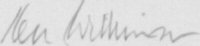
Wilkinson, Ken

Died : 2017
Flying Officer Ken Wilkinson (deceased)
Battle of Britain pilot flying Hurricanes, he flew Spitfires with 611 Sqn and then 616 Sqn at Kirton-in-Lindsey and 19 Sqn at Fowlmere during 1940 and after a spell instructing returned to operations on Spitfires, with 234 and 165 Squadrons. After spending time with 53, 24 and 10 Operational Training Units, he left the RAF in November 1945 and served in the RAFVR.
Ken said :
From 1st September 1939 I wrote myself off. I thought, 'you've got no chance' lasting through whatev
Signature Value : £45
CLICK HERE FOR FULL PROFILE
 
+ Artist : John Young
SOLD
OUT
NOT
AVAILABLE


Summer of 41 by Tom Marchant.


Summer of 41 by Tom Marchant.

The Pilot, Squadron Leader L.H. Buck Casson D.F.C., A.F.C., a founder member of 616 Squadron took this aircraft into action in July 1941. In August he was shot down over France and became a prisoner of war. After the war he returned to Command the Squadron flying Meteors.
Item Code : TM0001Summer of 41 by Tom Marchant. - Editions Available
FULL DETAILS
DESCRIPTIONSIZESIGNATURESOFFERSPRICEPURCHASINGPACKS
Open edition print. Image size 15 inches x 10 inches (38cm x 25cm)Artist : Tom MarchantSOLD
OUT
NOT
AVAILABLE


Aircraft for : No.616 Sqn RAF
A list of all aircraft known to have been flown by No.616 Sqn RAF. A profile page including a list of all art prints for the aircraft is available by clicking the aircraft name.
SquadronInfo

Battle

Click the name above to see prints featuring Battle aircraft.

Manufacturer : Fairey

Battle

14th May 1940 was a bad day for losses for the Fairey battle aircraft and its crews during the Battle for France. Sedan was situated on the east bank of the Meuse River. Its capture would give the Germans a base from which to capture the Meuse bridges and cross the river. On 14 May 1940 the Allied air forces, tried to destroy the bridges to slow down the German advance. During these sorties No 71 Wing RAF lost 10 Fairey Battles and 5 Blenheims No.75 Wing RAF lost 14–18 Battles and No 76 Wing RAF lost 11 Battles. Out of 71 bombers dispatched, 40–44 bombers were lost, meaning a loss rate of 56–62 percent Here is the list of Aircraft shot down and the names of their crews Battle K9189 , GB-?, - Shot down near Sedan. Pilot Officer F H Ridley killed, Sergeant G Atkinson killed, Aircraftsman 1 J S Thomson killed. Battle K9333 , WT-?, - Shot down near Ecly. Pilot Officer H L Oakley ok, Sergeant Martin ok, Aircraftsman 1 Presto ok. Battle K9342 , GB-?, - Shot down near Sedan. Pilot Officer F A G Lascelles ok, Sergeant Ordway ok, Aircraftsman 1 Weir ok. Battle K9343 , MQ-?, - Crashed near Sedan. Sergeant V H Moseley killed, Sergeant S D Hibberd killed, Corporal H F Little killed. Battle K9383 , MQ-?, - Damaged by enemy but returned to base. Abandoned during fall of France. Sergeant E E Hopkins ok, Sergeant J Callaghan ok, Aircraftsman 1 D Barber ok. Battle K9483 , JN-?, - Crashed near Sedan. Pilot Officer A F Posselt killed, Sergeant D J Bowen killed, Aircraftsman 2 N V Vano killed. Battle L4946 , JN-?, - Crashed near Douchery. Flying Officer J Ing killed, Sergeant J D Turner killed, Aircraftsman 1 W J Nolan killed. Battle L4950 , PH-V, - Crashed near Sedan. Flying Officer E R D Vaughan killed, Sergeant C Shelton-Jones killed, Aircraftsman 1 J D Wright taken prisoner. Battle L4952 , PH-X, - Shot down near Sedan. Flight Lieutenant G D Clancey taken prisoner, Sergeant K Alderson killed, Aircraftsman 1 R T Ainsworth killed. Battle L5188 , PH-C, - Lost near Sedan. Sergeant H R W Winkler taken prisoner, Sergeant M D Smalley taken prisoner, Aircraftsman 1 L R Clarke taken prisoner. Battle L5190? , PM-?, - Shot down near Sedan. Flying Officer T B Fitzgerald injured, Corporal Madkins ok. (Note Flying Officer Fitzgerald may not have been in this aircraft but instead P2191.) Battle L5230 , GB-?, - Lost without trace around Sedan. Flight Lieutenant H C Sammels killed, Sergeant F B Abbott killed, Leading Aircraftsman R D Hughes killed. Battle L5232 , HA-?, - Shot down at Sauville. Pilot Officer W A R Harris injured but returned to unit, Sergeant N B Herriot killed, Aircraftsman 1 W Robinson killed. Battle L5233 , RH-?, - Returned to base damaged and was subsequently abandoned during the fall of France. Battle L5235 , HA-?, - Shot down near Sedan. Pilot Officer A M Imrie taken prisoner, Leading Aircraftsman A J Taylor killed. Battle L5238 , GB-?, - Shot down near Sedan. Flight Lieutenant R N Wall killed, Sergeant A C Morgan killed, Leading Aircraftsman H Hatton killed. Battle L5250 , GB-?, - Force landed and abandoned at Suipped. Pilot Officer D C F Murray ok, Sergeant Hemingway ok, Aircraftsman 1 Hill ok. Battle L5422 , HA-?, - Shot down near Sedan. Flying Officer J F R Crane killed, Aircraftsman 1 T W Holloway taken prisoner. Battle L5438 , MQ-?, - Crashed near Sedan. Flight Sergeant W A Dunn killed, Sergeant A F Sedgewick killed, Aircraftsman 2 M B Millar killed. Battle L5516 , PM-?, - Shot down near Sedan. Pilot Officer V A Cunningham ok, Aircraftsman 1 J Johnson ok. Battle L5517 , WT-?, - Crashed near Sedan. Flight Lieutenant K R Rogers killed. Battle L5523 , GB-?, - Crashed near Sedan. Pilot Officer H E White killed, Sergeant G A Cartwright killed, Aircraftsman 1 J Potter killed. Battle L5581 , RH-?, - Shot down near Sedan. Sergeant W G Ross killed, Sergeant F E Beames killed, Leading Aircraftsman J H K Gegg killed. Battle L5585 Mk.1 , GB-?, - Shot down and crashed behind enemy lines Battle P2182 , JN-?, - Shot down near Douzy. Flight Sergeant J Boon killed, Sergeant J D F Williams killed, Aircraftsman 1 S Martin killed.14May1940Battle P2191 , PM-?, - Shot down by an Me109 near Sedan. Sergeant G Beardsley ok, Leading Aircraftsman G F Lewis ok. (Note Sergeant Beardsley may not have been in this aircraft, but in L5190.)14May1940Battle P2246 , WT-?, - Shot down and crash landed behind enemy lines. Squadron Leader J F Hobler injured but evaded capture, Sergeant R V T Kitto evaded capture, Corporal D J Barbrooke evaded capture.14May1940Battle P2267 , MQ-?, - Shot down near Sedan. Squadron Leader C E S Lockett taken prisoner, Sergeant F J Percival killed, Corporal R S Clark killed.14May1940Battle P2324 , HA-?, - Shot down by ground fire near Sedan. Flying Officer D A J Foster taken prisoner, Aircraftsman 1 T J Bryan taken prisoner.14May1940Battle P2333 , WT-?, - Crashed near Sedan. Sergeant A N Spear evaded capture, Sergeant J Brookes killed, Leading Aircraftsman R H Nugent killed.14May1940Battle P2360 , HA-?, - Lost without trace near Sedan. Pilot Officer R T L Buttery killed, Aircraftsman 2 W C Waterston killed.14May1940Battle P5229 , PH-O, - Shot down near Sedan. Sergeant A G Johnson killed, Sergeant E F White killed, Aircraftsman 1 F T Spencer taken prisoner. Battle P5232 , JN-?, - Crashed near Sedan. Flight Sergeant G T Barker killed, Sergeant J D F Williams killed, Leading Aircraftsman A K Summerson evaded capture.

Hind

Click the name above to see prints featuring Hind aircraft.

Manufacturer : Hawker
Production Began : 1935

Hind

The Hawker Hind entered service with the Royal Air Force in November1935 and eventually 20 RAF bomber squadrons equipped with Hawker Hinds. Many Hinds were also sold to foreign customers including Afghanistan, the Irish Free State, Latvia, Persia (Iran), Portugal, South Africa, Switzerland, and Yugoslavia. The Hawker Hind was gradually phased out of frontline service from 1936 onwards and replaced by the Fairey Battle and Bristol Blenheim. At the outbreak of world war two only 613 squadorn was still equipped with Hawker Hinds in the roll of Army co-operation before re-equipping the Hawker Hector in November 1939. The Hawker Hind became a training aircraft from 1938 being the next step up from basic training on Tiger Moths. In 1941, Hinds flew combat missions in their original role as light bombers. South African Hinds were employed against Italian forces in Kenya, Yugoslav Hinds were used against the Germans and Italians.

Meteor

Click the name above to see prints featuring Meteor aircraft.

Manufacturer : Gloster
Production Began : 1944
Number Built : 3947

Meteor

The Gloster Meteor was the first British jet fighter and the Allies' first operational jet. Designed by George Carter, and built by the Gloster Aircraft Company, Armstrong-Whitworth, the Meteor first flew in 1943 and commenced operations on 27 July 1944 with 616 Squadron of the Royal Air Force (RAF). The Gloster Meteor was not an aerodynamically advanced aircraft but the Gloster design team succeeded in producing an effective jet fighter that served the RAF and other air forces for decades. Meteors saw action with the Royal Australian Air Force (RAAF) in the Korean War and other air forces used the Meteor. The Royal Danish Air Force, The Belgian Air Force and Isreali Air Force kept the Meteor in service until the early 1970's. A Total of 3947 meteors were built and two Meteors, WL419 and WA638, remain in service with the Martin-Baker company as ejection seat testbeds.

Mosquito


Click the name above to see prints featuring Mosquito aircraft.

Manufacturer : De Havilland
Production Began : 1940
Retired : 1955
Number Built : 7781

Mosquito

Used as a night fighter, fighter bomber, bomber and Photo-reconnaissance, with a crew of two, Maximum speed was 425 mph, at 30,300 feet, 380mph at 17,000ft. and a ceiling of 36,000feet, maximum range 3,500 miles. the Mosquito was armed with four 20mm Hospano cannon in belly and four .303 inch browning machine guns in nose. Coastal strike aircraft had eight 3-inch Rockets under the wings, and one 57mm shell gun in belly. The Mossie at it was known made its first flight on 25th November 1940, and the mosquito made its first operational flight for the Royal Air Force as a reconnaissance unit based at Benson. In early 1942, a modified version (mark II) operated as a night fighter with 157 and 23 squadron's. In April 1943 the first De Haviland Mosquito saw service in the Far east and in 1944 The Mosquito was used at Coastal Command in its strike wings. Bomber Commands offensive against Germany saw many Mosquitos, used as photo Reconnaissance aircraft, Fighter Escorts, and Path Finders. The Mosquito stayed in service with the Royal Air Force until 1955. and a total of 7781 mosquito's were built.

Spitfire


Click the name above to see prints featuring Spitfire aircraft.

Manufacturer : Supermarine
Production Began : 1936
Retired : 1948
Number Built : 20351

Spitfire

Royal Air Force fighter aircraft, maximum speed for mark I Supermarine Spitfire, 362mph up to The Seafire 47 with a top speed of 452mph. maximum ceiling for Mk I 34,000feet up to 44,500 for the mark XIV. Maximum range for MK I 575 miles . up to 1475 miles for the Seafire 47. Armament for the various Marks of Spitfire. for MK I, and II . eight fixed .303 browning Machine guns, for MKs V-IX and XVI two 20mm Hispano cannons and four .303 browning machine guns. and on later Marks, six to eight Rockets under the wings or a maximum bomb load of 1,000 lbs. Designed by R J Mitchell, The proto type Spitfire first flew on the 5th March 1936. and entered service with the Royal Air Force in August 1938, with 19 squadron based and RAF Duxford. by the outbreak of World war two, there were twelve squadrons with a total of 187 spitfires, with another 83 in store. Between 1939 and 1945, a large variety of modifications and developments produced a variety of MK,s from I to XVI. The mark II came into service in late 1940, and in March 1941, the Mk,V came into service. To counter the Improvements in fighters of the Luftwaffe especially the FW190, the MK,XII was introduced with its Griffin engine. The Fleet Air Arm used the Mk,I and II and were named Seafires. By the end of production in 1948 a total of 20,351 spitfires had been made and 2408 Seafires. The most produced variant was the Spitfire Mark V, with a total of 6479 spitfires produced. The Royal Air Force kept Spitfires in front line use until April 1954.
Signatures for : No.616 Sqn RAF
A list of all signatures from our database who are associated with this squadron. A profile page is available by clicking their name.
NameInfo

Air Commodore Cyril Brown CBE AFC AE
Click the name above to see prints signed by Air Commodore Cyril Brown CBE AFC AE

1 / 11 / 2003Died : 1 / 11 / 2003
Air Commodore Cyril Brown CBE AFC AE

Born 17th January 1921. Joined the RAFVR in 1939, and completed pilot training to fly Hurricanes with No.245 Sqn during the Battle of Britain. He then joined No.616 Sqn in 1941, before taking a post as a test pilot. He died 1st November 2003.


Squadron Leader Buck Casson DFC AFC
Click the name or photo above to see prints signed by or with the mounted signature of Squadron Leader Buck Casson DFC AFC

8 / 10 / 2003Died : 8 / 10 / 2003
Squadron Leader Buck Casson DFC AFC

Born 6th January 1915, Buck Casson completed his pilot training with the Royal Auxiliary Air Force at the outbreak of WW2. He spent the Battle of Britain with 616 Sqn, claiming a Do17, Me 109, and two He 111s, one damaged and one probable. Becoming part of the Tangmere Wing in 1941, the squadron was under the command of Douglas Bader. On 5th May 1941, he shared in a Ju88, but was forced to bale out during the action. He claimed two more Me109s, a further two probables and one damaged before being shot down on August 9th, being captured and held at Stalag Luft III until the end of the war. Buck Casson died 8th October 2003.


Group Captain Sir Hugh Dundas CBE DSO DFC DI
Click the name or photo above to see prints signed by or with the mounted signature of Group Captain Sir Hugh Dundas CBE DSO DFC DI

10 / 7 / 1995Died : 10 / 7 / 1995
Group Captain Sir Hugh Dundas CBE DSO DFC DI

Hugh Dundas was born on the 2nd of July 1920 in Doncaster. Hugh Dundas, like his elder brother John, became fascinated by the idea of flying from childhood, and straight after leaving Stowe School in 1938 joined the Auxiliary Air Force. As a pre-war member of the Royal Auxiliary Air Force, Hugh Dundas was called up early in the war, serving with 616 Squadron. After a promising start as a fighter pilot, Dundas was shot down on 22nd August and wounded during the Battle of Britian, but returned to his squadron in September 1940. His brother John, a 12 victory ace with No.609 Squadron, was killed in action in November 1940 after shooting down the top–scoring German Luftwaffe ace at the time, Helmut Wick. In early 1941 he was at Tangmere and came under the command of Wing Commander Douglas Bader. Dundas became one of the leading members of that Wing and frequently flew with Bader, gradually building his reputation as a fighter pilot and tactician. After receiving the DFC, Dundas became Flight Commander in 610 Squadron. December 1941 brought another promotion as commanding officer of 56 Squadron, the first in the RAF to be converted to Typhoons. Posted to the Mediterranean in 1943, he led 244 Spitfire Wing from Malta and later Italy. In 1944, Dundas was awarded the DSO and became one of the youngest Group Captains in the RAF. For some years after the war, Dundas served once more with the RAuxAF during which time he became CO of 601 Squadron. His war time score was 4 destroyed, 6 shared destroyed, 2 shared probables, and 2 and 1 shared damaged. After the war had ended Dundas served with the RAuxAF as CO of No.601 Squadron and was the air correspondent for the Daily Express newspaper. In 1961 he joined Rediffusion ltd becoming a Director in 1966, and Chairman of Thames Television unitl 1987, when he was knighted. In 1989 he served as High Sheriff of Surrey. Sir Hugh Dundas died on 10th July 1995 at the age of 74.


Tony Gaze DFC**
Click the name or photo above to see prints signed by Tony Gaze DFC**
Tony Gaze DFC**

Australian Tony Gaze joined Bader at Tangmere in March 1941 flying with 610 Sqn, scoring several victories during the high summer of that famous year. In 1942 he was posted to 610 Sqn and then commanded 64 Sqn. In Sept 1943 he joined 66 Sqn but was shot down. Evading capture he escaped back to England. In July 1944 he flew again with 610 Sqn then 41 Sqn. In the final days of the war he flew meteor jets with 616 Sqn. Tony gaze finished the war an Ace with 11 and 3 shared destroyed, 4 probable and one V. He was awarded the DFC with 2 bars.


Air Vice-Marshal Denys Gillam
Click the name above to see prints signed by or with the mounted signature of Air Vice-Marshal Denys Gillam

1991Died : 1991
Air Vice-Marshal Denys Gillam

Battle of Britain Ace who served with 616 and 312 Squadrons. He scored a total of 7 victories, including one of the fastest ever, where he downed a Ju-88 which was making a bombing run, as he took off from the airfield. He took command of the Typhoon Wing at Duxford in March 1942, which flew their first combat operation in June 1942. He died in 1991.


Squadron Leader Tony Iveson DFC
Click the name or photo above to see prints signed by or with the mounted signature of Squadron Leader Tony Iveson DFC

5 / 11 / 2013Died : 5 / 11 / 2013
Squadron Leader Tony Iveson DFC

Tony Iveson fought in the Battle of Britain with RAF Fighter Command, as a Sergeant pilot, joining 616 Squadron at Kenley flying Spitfires on 2 September 1940. On the 16th of September, he was forced to ditch into the sea after running out of fuel following a pursuit of a Ju88 bomber. His Spitfire L1036 ditched 20 miles off Cromer in Norfolk, and he was picked up by an MTB. He joined No.92 Sqn the following month. Commissioned in 1942, Tony undertook his second tour transferring to RAF Bomber Command, where he was selected to join the famous 617 Squadron, flying Lancasters. He took part in most of 617 Squadrons high precision operations, including all three sorties against the German battleship Tirpitz, and went on to become one of the most respected pilots in the squadron.

Some of Tony Iveson's operational sorties with No.617 Squadron:

5-8-44 Submarine pens-Brest 12,000LB Tallboy
6-8-44 Submarine pens-Keroman 12,000LB Tallboy
7-8-44 Submarine pens-Lorient-Sqaudron scrubbed the operation
8-8-44 Submarine pens-La pallice-12,000LB Tallboy
24-8-44 E-boat pens -Ijmuiden-12,000LB Tallboy
27-8-44 Shipping-Brest- 12 x 1000LB
11-9-44 Tirpitz-Alten Fiord 12,000LB Tallboy plus Johnny Walker Mines
23-9-44 Aqueduct, Dortmund Ems Canal-12,000LB Tallboy
3-10-44 Westkapelle Sea Wall- Squadron abandoned sortie
7-10-44 Rhine Barrage, North of Basle-12,000LB Tallboy
28-10-44 Tirpitz-12,000LB Tallboy
12-11-44 Tirpitz-12,000LB Tallboy
8-12-44 Urft Dam-12,000LB Tallboy
11-12-44 Urft dam - 12,000LB Tallboy
15-12-44 Submarine pens- Ijmuiden-12,000LB Tallboy
21-12-44 Politz-12,000LB Tallboy
12-1-45 Submarine pens-Bergen-12,000LB Tallboy


Citation for the award of the Distinguished Flying Cross, gazetted 16th March 1945.

This officer has completed numerous sorties on his second tour of operational duty, including three attacks against the battleship Tirpitz. In January, 1945, he was detailed to attack the U-boat pens at Bergen. Whilst over the target his aircraft was attacked by two fighters. The first burst of machine-gun fire from the enemy aircraft struck the tailplane, rudder and elevator. The port inner engine was set on fire and the rear turret was put out of action. After the fighters broke off their attack Squadron Leader Ivesons aircraft came under heavy fire from the antiaircraft batteries. It was almost impossible to maintain level flight. Squadron Leader Iveson instructed another member of the crew to lash the control column in such a way as to ease the strain. Under these most trying conditions, Squadron Leader Iveson flew clear of the fire zone and afterwards reached a home based airfield where he landed his seriously damaged aircraft safely. By his great skill, courage and determination, this officer was undoubtedly responsible for the safe return of the aircraft.


Air Vice Marshal Johnnie Johnson CB, CBE, DSO**, DFC*
Click the name or photo above to see prints signed by or with the mounted signature of Air Vice Marshal Johnnie Johnson CB, CBE, DSO**, DFC*

2001Died : 2001
Air Vice Marshal Johnnie Johnson CB, CBE, DSO**, DFC*

James Edgar Johnson was born in Barrow on Soar near Loughborough on 9th March 1915. He lived in Melton, the first house on the left of Welby Lane as you leave Nottingham Road, with his parents - his father being a local Police Inspector. Johnnie qualified as a Civil Engineer at Nottingham University in 1937. He joined the RAFVR and did his flying training at 21 E&RFTS, Stapleford before enlisting for full-time service in the RAF at the beginning of WWII. He first went to ITW at Jesus College, Cambridge, completed his ab initio flying at 22 EFTS, Cambridge and his intermediate and advanced flying at 5 FTS, Sealand. Johnnie Johnson joined 92 Spitfire squadron in August 1940, but it was with 616 squadron that he scored his first victory on June 26th 1941 while flying with Douglas Baders Tangmere Wing. He was squadron leader of 610 squadron in July 1942, but it was as Wing Commander of the Kenley Wing in 1943 that his scores really started to mount. He was W/C of 144 wing during D-Day and led 127 and 125 wings until the end of the war when we has the topscoring allied fighter pilot with 38 air victories. Inspired by the great British WW 1 aces like Bishop and Ball, Johnnie Johnson dreamed often as a child of becoming an R.A.F. pilot. The young Johnson enthusiastically joined the Volunteer Reserve at the first opportunity. After completing his initial flight training Johnson was posted to 616 Squadron at Kenley. However, this Squadron had been hit hard with the loss of six pilots and five wounded, and the unit was withdrawn to Coltishall prior to Johnson encountering combat. With only 12 hours of flight time in a Spitfire this was no doubt advantageous. In February 1941 Billy Burton moved the Squadron to Tangmere. Douglas Bader then arrived to take over the Tangmere Wing, and fly with the 616 Squadron. Johnnie, Alan Smith and Cocky Dundas were chosen to fly with Bader. During the summer of 1941 the Battle of Britain was at its peak. Bader took the time to instruct Johnson carefully in both the art of flying and the skills necessary to attain success in aerial combat. Baders idea of an afternoon off duty, according to Johnson, was to take his section over the Channel in hopes of running into Adolph Galland and his Abbeyville Boys. On August 19, 1941 Bader failed to return from a mission when 616 Squadron was hit hard by a group of Messerschmitt 109s. Johnson flew on in Baders absence, and in the summer of 1942 he was promoted to command of the 610 Squadron. In 1943 he was promoted again to Wing Commander of the Canadian Spitfire Wing in Kenley. By that time Johnson had attained eight confirmed victories. During the spring and summer of 1943 Johnnie led the Canadian unit on more than 140 missions over Northwest Europe. Johnsons squadron attained more than 100 victories during this period, and Johnnies own personal score rose to 25. After a short leave, Johnson was posted to lead the 144 Canadian Spitfire Wing. On D-Day Johnson led his Wing on four missions in support of the Allied invasion. On June 8, Johnsons Wing was the first Spitfire group to land in newly liberated France. Johnson continued fighting in France through September 1944 when he achieved his 38th and final victory. Patrolling the Rhine Johnsons unit jumped nine 109s which were flying beneath them in the opposite direction. Five of the 109s were downed. Early in 1945 Johnson was promoted to Group Captain and put in command of the 125 Wing, which was equipped with the Spitfire XIV. Flying from former Luftwaffe airfields the 125 Wing assisted in the final Allied push to Berlin. Johnson attributed much of his aerial combat success to his ability to make tight turning maneuvers. Johnsons tightest call came on August 19, 1942 when he was unable to dislodge an Me-109 from his tail during the raid on Diepppe. Johnson raced his Spitfire flat out at a group of Royal Navy ships. The usual barrage of flak and tracer fire came right at him, and fortunately for the ace, missed his Spitfire but effectively eliminated the brave pilot on his tail. During the Korean War Johnson flew fighter-bombers with the USAF. Following his retirement from the R.A.F. in 1966 Johnson founded the Johnnie Johnson Housing Trust that has provided homes for more than 4000 disabled and elderly persons, and his sixth book Winged Victory was published in 1995. Johnson flew many of the Spitfire models. His favorite was the beautiful Mark IX, the best of them all. Johnnie passed away in 2001 at the age of 85, in Derbyshire, England.

Artist Graeme Lothian with Johnnie Johnson.


Flight Lieutenant R G (Bob) Large, DFC, Legion d Honneur
Click the name above to see prints signed by Flight Lieutenant R G (Bob) Large, DFC, Legion d Honneur
Flight Lieutenant R G (Bob) Large, DFC, Legion d Honneur

Learned to fly in Scotland in 1940 and in 1941 joined 616 Squadron as part of the Tangmere Wing, commanded by the famous legless pilot Wing Commander Douglas Bader. The Squadron flew Fighter and Bomber sweeps over Northern France. The remains of Bobs Spitfire lie at the bottom of the sea ten miles off Hythe (where he now lives) after being bounced by eighty plus ME 109Gs over the English Channel. Having learned of the activities of 161 SD Squadron he was interviewed by the CO, Wing Commander Lewis Hodges, and joined the Lysander Flight. He then flew many important missions into occupied France in single, double and a memorable treble pickup when his excuse for being late at the rendezvous was that he had had a haircut in the firms time because it grew in the firms time! After D-Day he returned to Fighter Command and later flew Meteors. (Bobs dog, Patrick, became the first dog in the Allied Forces to fly in a jet which took place in a Meteor 3 on 11th May 1946 and is now recorded in the Guinness Book of Records!)


Sergeant Butch Morton
Click the name above to see prints signed by Sergeant Butch Morton
Sergeant Butch Morton

Bob Morton has the honour of a nickname personally bestowed on him by Bader, apparently referring to his modest 5 foot 3 inch height! Like Bader he was shot down over St Omer, on July 9 1941, a month before the Wing Leader. Joining the RAFVR just before the outbreak of war, Morton unusually, did his elementary flying training on Blackburn B2s which he considered far superior to Tiger Moths. After conversion to Spitfires he was posted to 74 Squadron, but in spite of valiant efforts he was not able to operate during the Battle of Britain, transferring to 616 in September 1940. Douglas Bader led the Tangmere Wing from March 1941, always flying with 616 Squadron. Morton clearly remembers Baders invigorating leadership style, but as a young Sergeant Pilot he had little personal contact with him.


Flight Lieutenant Sir Alan Smith DFC
Click the name or photo above to see prints signed by Flight Lieutenant Sir Alan Smith DFC
Flight Lieutenant Sir Alan Smith DFC

An RAFVR pilot Alan Smith completed his conversion to Spitfires and was posted to 610 Squadron in October 1940. and then to 616 Squadron in December 1940, Alan Smith often flew as wingman to Douglas Bader and would have been flying in that position on the fateful August 9th had he not been suffering from a head cold and instead set off for London to buy a uniform to match his newly granted commission. Johnnie Johnson described him as the perfect No 2. He usually flew in the same section with Bader, Cocky Dundas and Johnson. Alan Smith was impressed not only by Baders ability to inspire his pilots, but also his willingness to protect them. He remembers the RAF police pouncing on the squadron to see if anyone was using aviation fuel in their cars and how Bader sent them packing in no uncertain terms! In November 1941 Alan Smith was posted to a training role but returned to operations in November 1942 in North Africa. After completing this tour he returned to instructing latterly in the USA. By the end of the war Smith had been awarded the DFC and Bar and had recorded five confirmed victories. After the war he had a very successful career in the textile industry.


Flight Lieutenant William Walker
Click the name or photo above to see prints signed by Flight Lieutenant William Walker

21 / 10 / 2012Died : 21 / 10 / 2012
Flight Lieutenant William Walker

Born on August 24 1913, William Walker joined the Royal Air Force Voluntary reserve on September 2 1938 at Kidlington, Oxford as an Airman u/t Pilot. William Walker joined the RAF on September 1st 1939 and posted to 1 ITW, Cambridge on November 15. He went to 2 FTS, Brize Norton on February 17 1940 and after training was posted directly to 616 Squadron on June 18th, flying Spitfires. The month of August saw an increased tempo of fighting as the Battle of Britain intensified. On the 15th, the Luftwaffe launched a major attack from Norway and Denmark against the north of England. No 616 was scrambled and intercepted a large force of bombers approaching the Yorkshire coast. Walker, who had only recently joined, flew on the wing of his section leader as they attacked the force. By the end of the engagement, six enemy bombers had been shot down. Four days later, No 616 moved to Kenley, where Walker was immediately in action. During the late morning of August 26 1940, Walker and his squadron colleagues of No 616 (South Yorkshire) Auxiliary Squadron were scrambled from Kenley to intercept a raid of 40 enemy bombers approaching Dover. Too low to attack the raiders, the squadron turned north to gain height but were ambushed by a large formation of Messerschmitt Bf 109 fighters. Within minutes, three Spitfires had been shot down. As Walker attacked a Bf 109 his Spitfire was hit from behind and he was wounded in the leg. The controls were shot away and Walker was forced to bail out at 20,000ft from his Spitfire MK II, R 6701 He landed in the English Channel very close to a sandbank, which he was able to reach. Shortly afterwards, suffering from hypothermia, he was picked up by a fishing boat. A large crowd cheered as he was landed at Ramsgate, but the badly damaged hospital there was unable to deal with his wound. He was taken to Ramsgate Hospital suffering from hypothermia, he was then transferred to the RAF Hospital at Halton, where they operated to remove the bullet from his ankle. ( a souvenir he kept for the rest of his life ) On May 2nd 1941 he rejoined. Walker returned to hospital at Halton on September 23 1941 and after convalescence at Torquay, he rejoined 1 ADF on November 17. He was posted to 116 Squadron on July 8 1942, on anti-aircraft co-operation duties. He remained with the squadron until July 6 1944. He then went to the Sector Gunnery Flight at Gatwick until October 4, when he rejoined 1 ADF. He served with the unit at various locations until released from the RAF at Uxbridge on September 1 1945, as a Flight Lieutenant and received the Air Efficiency Award. Post-war, he returned to the brewing trade and rose to become chairman of Ind Coope, a role previously held by his father. Sadly Flt Lt William Walker died on October 21st 2012.


Contact Details
Shipping Info
Terms and Conditions
Cookie Policy
Privacy Policy

Sign Up To Our Newsletter!

Stay up to date with all our latest offers, deals and events as well as new releases and exclusive subscriber content!

This website is owned by Cranston Fine Arts.  Torwood House, Torwoodhill Road, Rhu, Helensburgh, Scotland, G848LE

Contact: Tel: (+44) (0) 1436 820269.  Email: cranstonorders -at- outlook.com

Return to Home Page